

Why I Choose to Preserve
On my Iowa farm, preserving is a way of life, one that was instilled in me from a young age. Growing up, both my mom and grandma would spend hours each summer preserving so much of the produce we grew. In my own adult life, I’ve learned to appreciate the art of preservation and love how it can stretch out the spring and summer seasons.
When the garden is producing, or the fridge is full, I want reliable ways to keep food tasting great, whether that means canning for the pantry, making quick pickles for the week, or using fermentation for that tangy, funky flavor that makes everything more interesting.
If you’re new to preserving, start with one of the methods below and pick a project to try this week.
If you already know what you want to make, jump straight to the links.
Start Here
- Interested in fermentation – Check out my guide to fermentation, which covers both kimchi and sauerkraut.
- If you’ve never canned anything before – Make sure to learn all you need to know with my canning 101 basics.
- If you want all of my preserving recipes – There are so many preserving recipes to choose from. Choose which one interests you the most.
Choose Your Preserving Method
There are 4 main types of preserving that I cover in my recipes: fermentation, pickling, fruit preserves (including jams and butters), and canned vegetables. Let’s talk about each one:
Fermentation
Fridge-friendly preserving
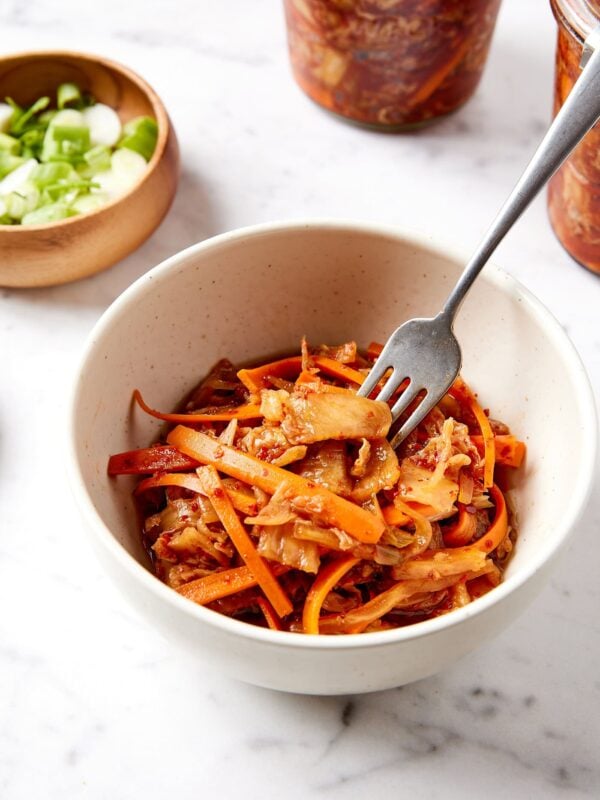
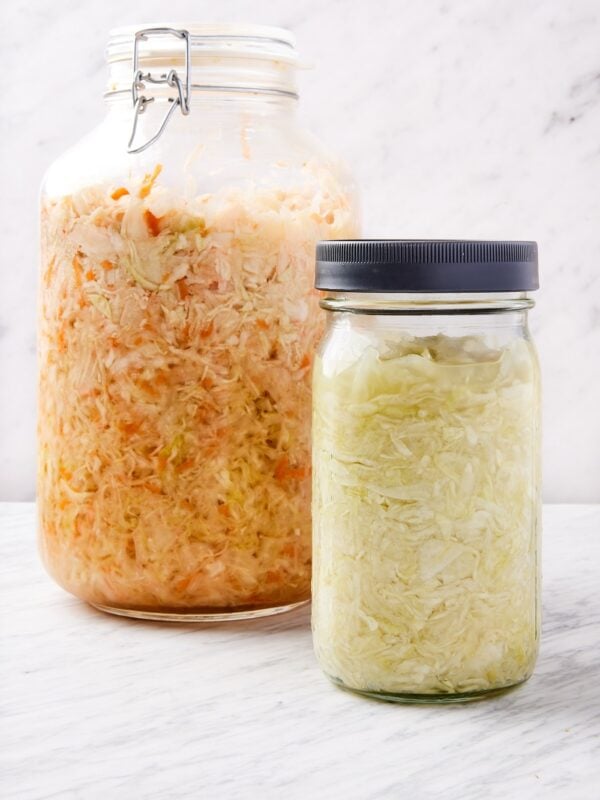
Fermentation is one of the easiest ways to start preserving at home. It’s hands-on, pretty forgiving, and you can taste it as the flavor develops. The best part: as soon as it tastes right to you, move it to the fridge.
Start with these:

Weeknight Meal
Skillet Kielbasa and Sauerkraut
One-skillet comfort with sweet, smoky flavor and tangy bite.
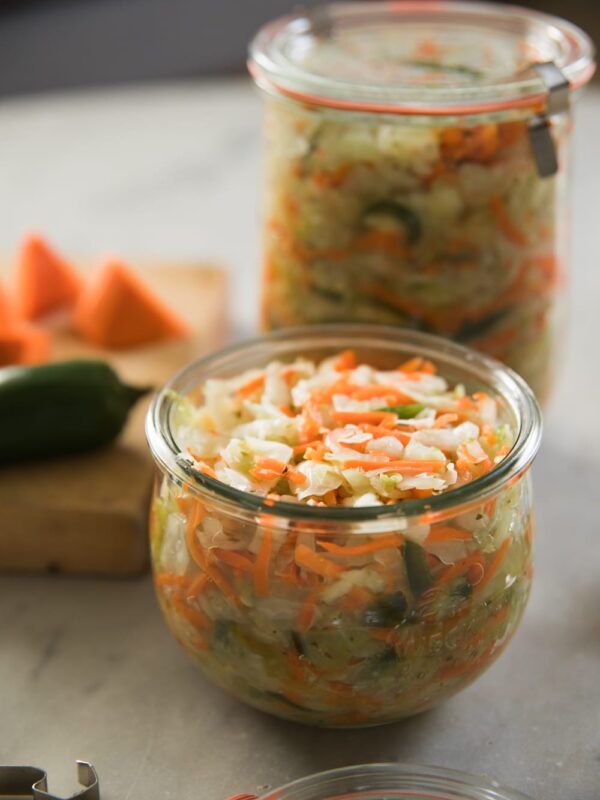
New to fermentation? Make sure to check out my fermentation guide.
Pickling
Quick, classic, and always useful
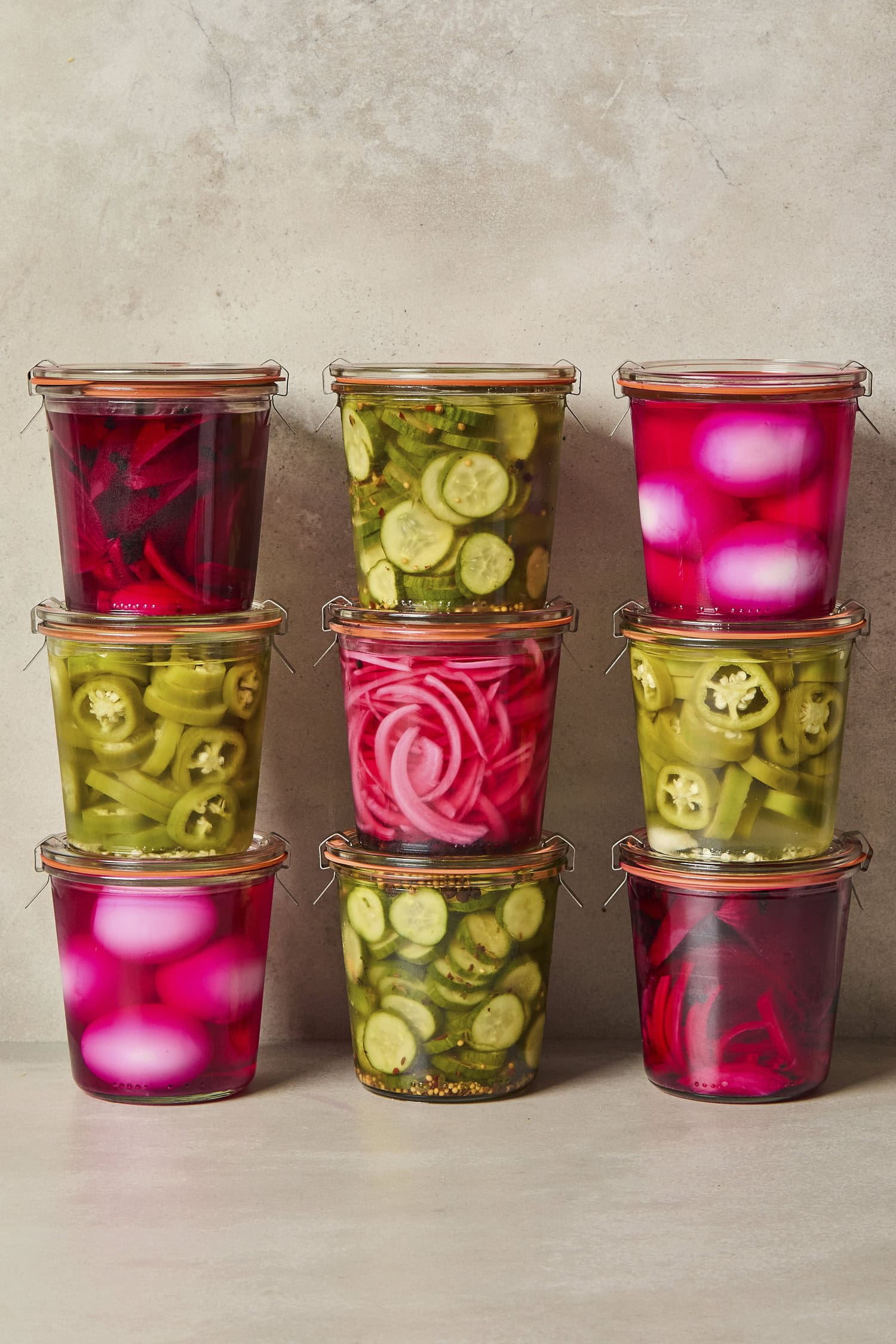
Pickling is the go-to when you want some tangy flavor fast. Some recipes are shelf-stable, others are quick fridge projects, and both are perfect for using up a bunch of produce.
Start with these pickle favorites:
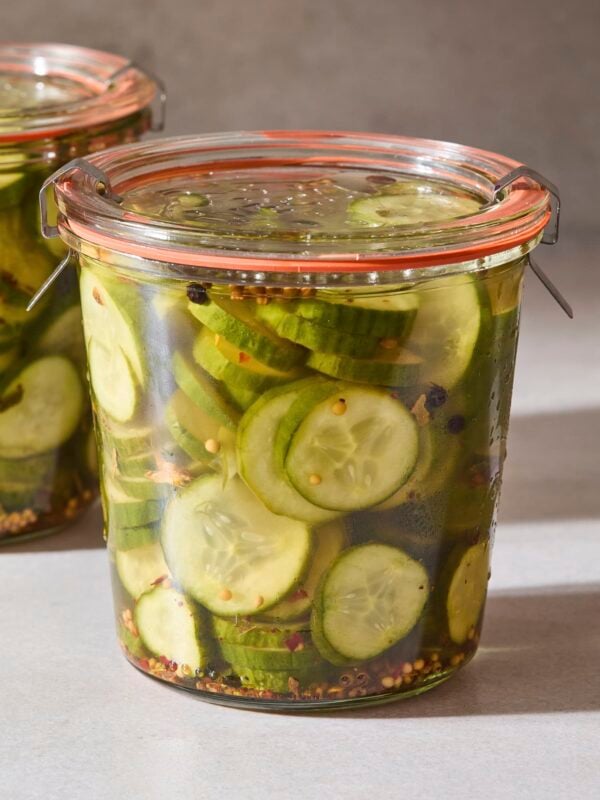
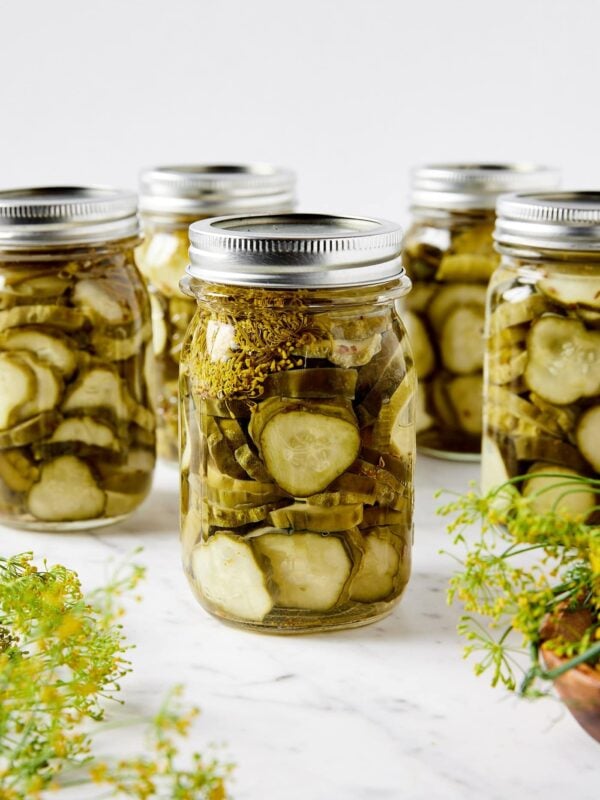
Pickles
Canned Dill Pickles
Straightforward, simple, this a classic pickle recipe that’s everyone’s favorite.
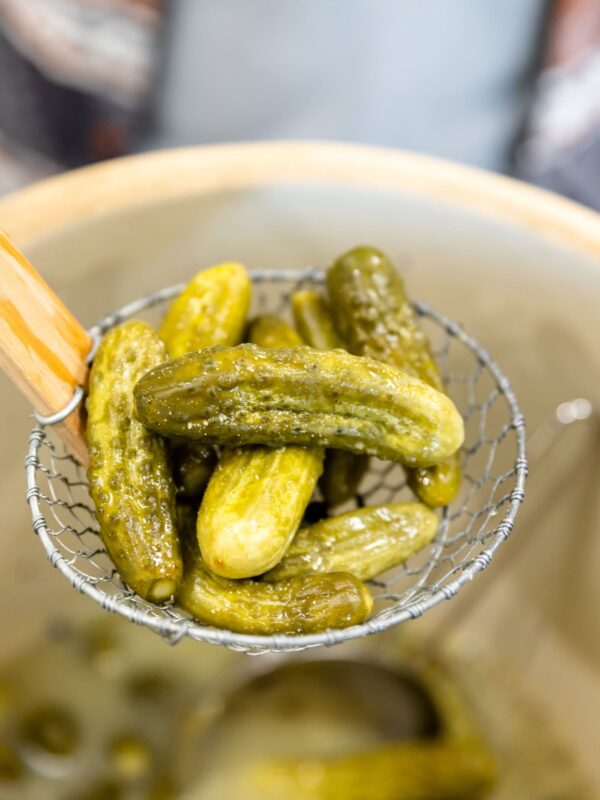
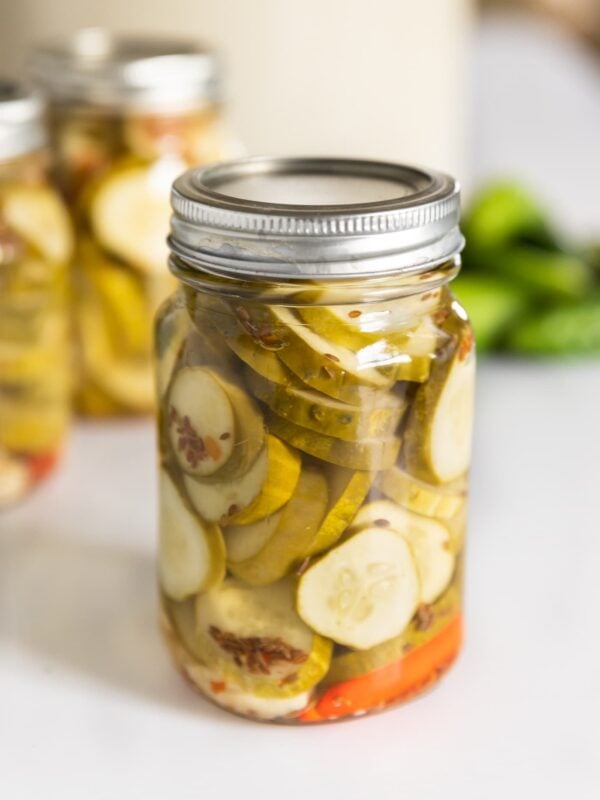
If you’re interested in beets, make sure to check out my version for canned pickled beets and quick pickled beets.
Want more? Make sure to check out all my pickle recipes.
Jams, Jellies, and Fruit Preserves
A pantry full of summer
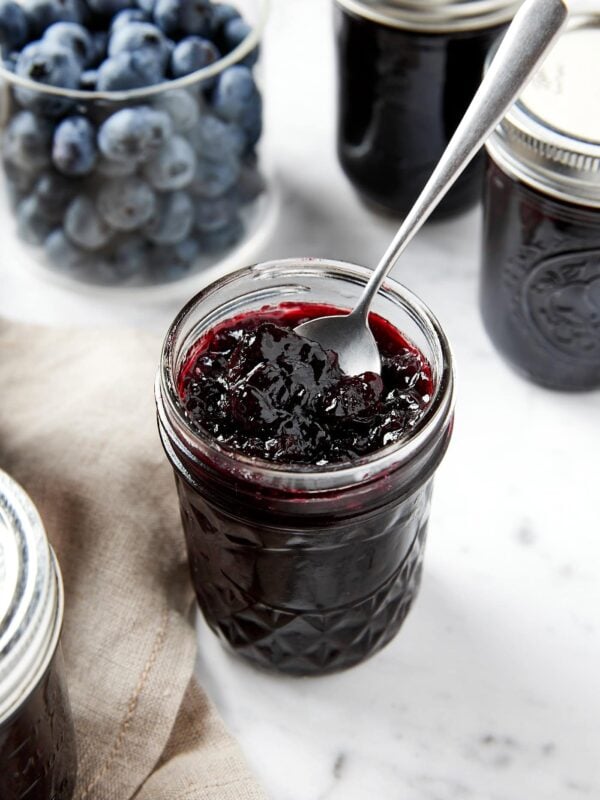
If you love the idea of opening a jar in winter that tastes exactly like the best flavors of summer, jams and jellies are where to start. These recipes are great for beginners, and they make the best gifts too.
Start with these:
Preserves
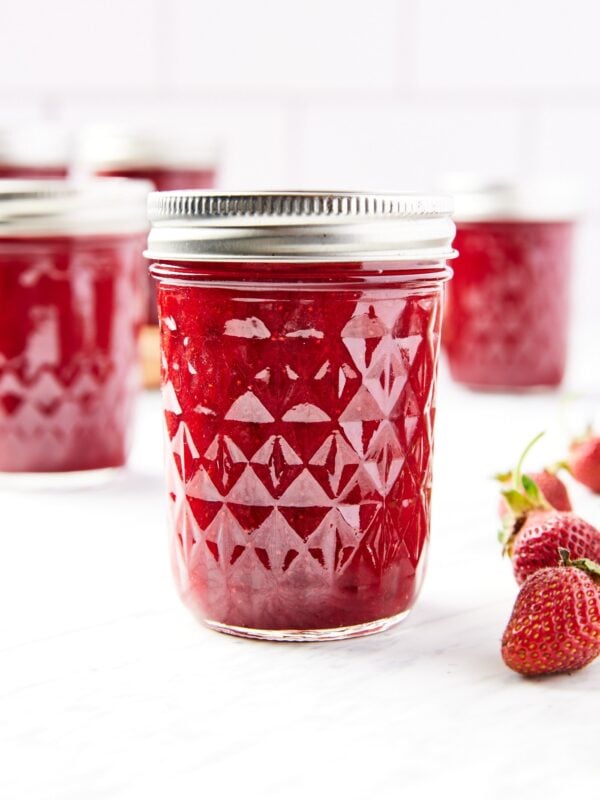
Canned Strawberry Butter
Not to be confused with the dairy variety, this butter is made from fresh fruit.
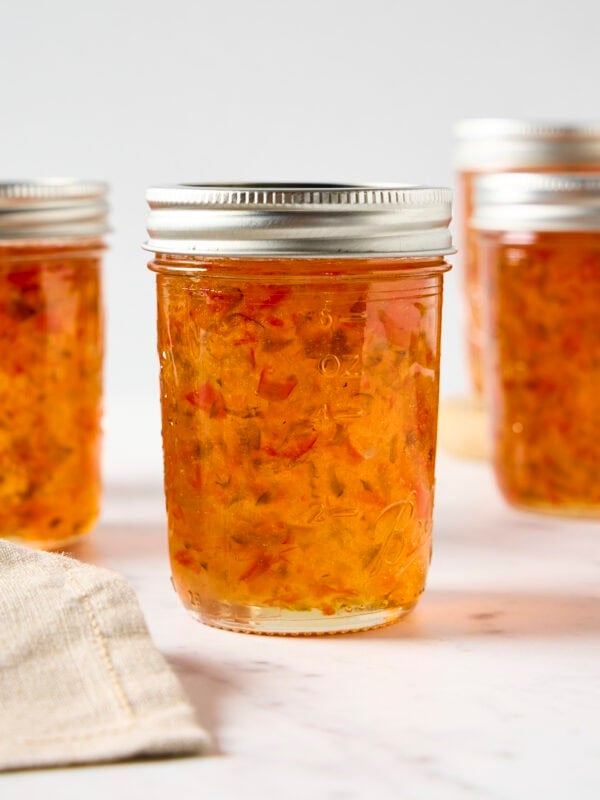
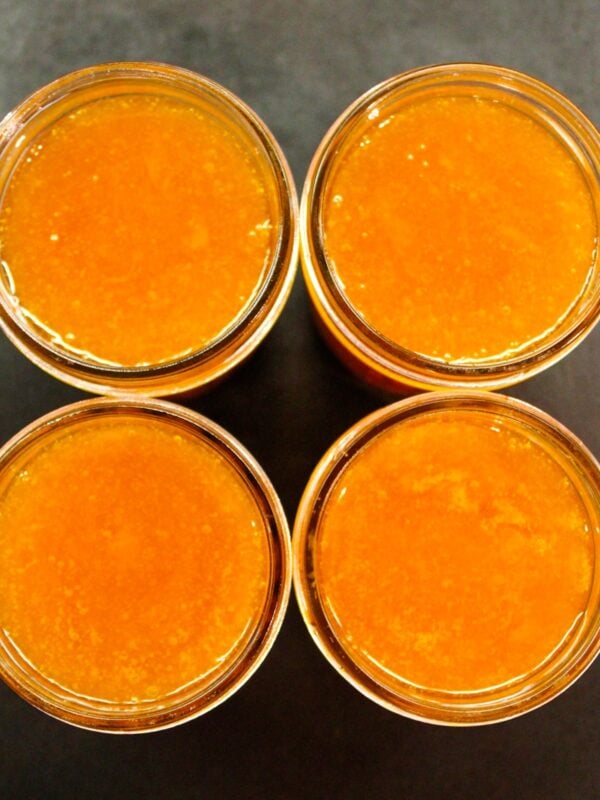
Ready to make your own batch? Browse more preserves recipes.
Canning Vegetables and Fruit
Shelf-stable pantry basics
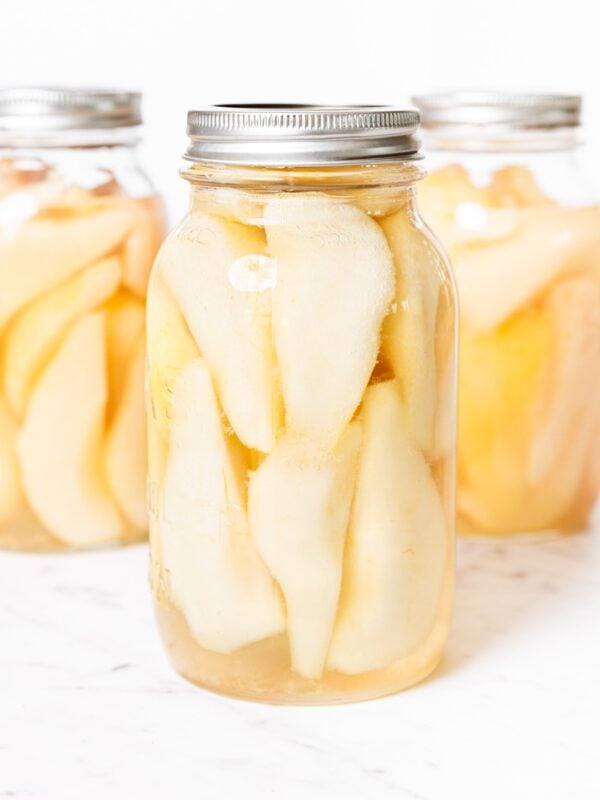
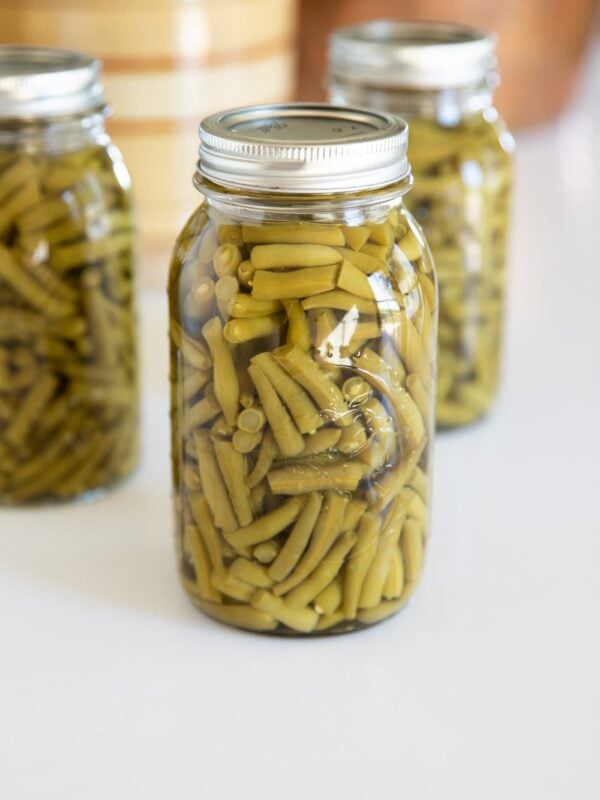
When you want pantry storage, canning is the workhorse. If you’re new to canning, start with a simple, proven recipe and build up your confidence level one batch at a time.
Pantry staples to start with:
Preserving
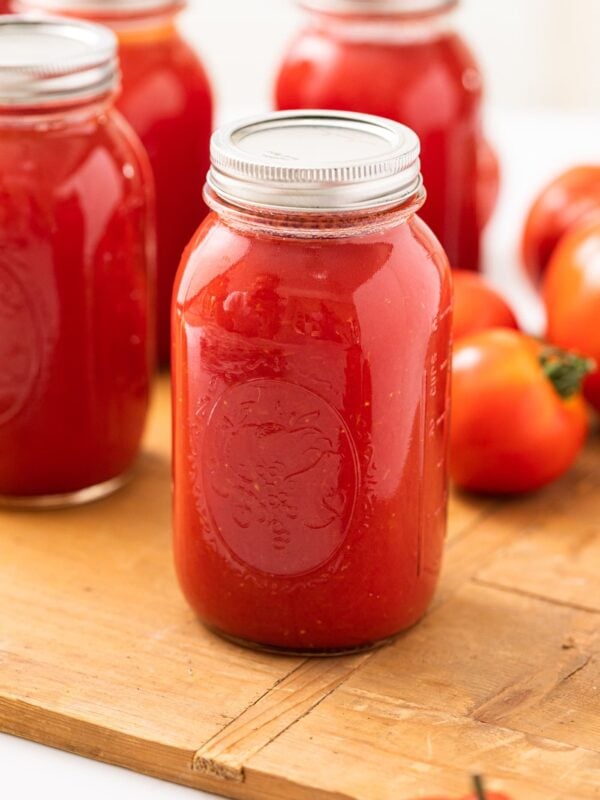
Canned Tomato Juice
It’ll be a welcome sight on a cold winter evening when soups are in order!
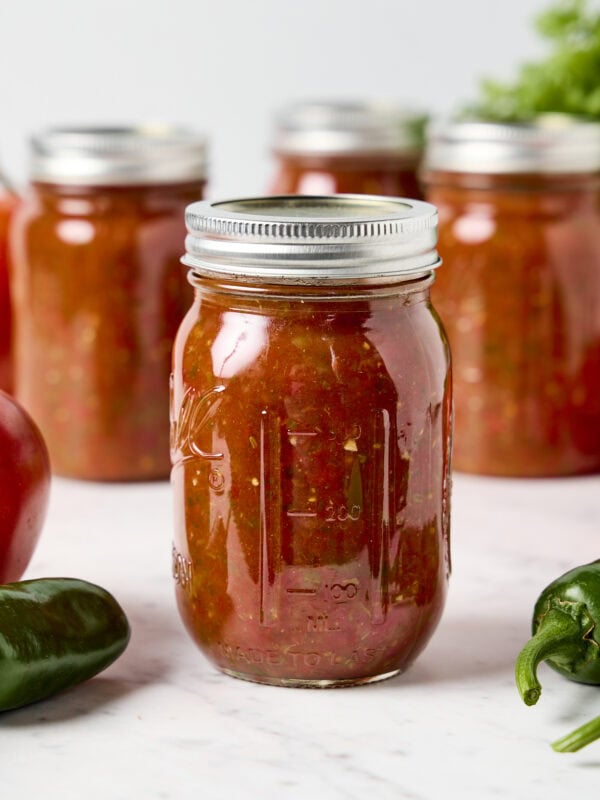
New to canning? Learn all you need to know with my canning 101 explainer.
Seasonal Preserving
Preserving is easiest when you follow the season. When you work with produce at its peak, you get the best flavor, better texture, and the results you want right in the jar. Here are the general timelines for when each type of produce, plus the kinds of projects that make the most sense in each season:
Spring preserving is all about the first fresh flavors and smaller batches. This is a great time to clean and prep your canning supplies, check jars for any nicks, and get back into the routine before the busy months hit. Projects for spring:
- Rhubarb preserves, jams, and sauces
- Strawberry jam and other early fruit jams
- Small-batch pickles and quick pickled vegetables
- Freezing early berries if you want to preserve without a canner
Summer is the peak preserving season. Gardens are producing, farmers’ markets are overflowing, and it’s the easiest time to fill your pantry with all of the classics. This is when I like to plan entire canning days around what’s abundant and what I know I’ll use all year. Projects for summer:
- Dill pickles, bread and butter pickles, pickle relish, and mixed pickled vegetables
- Salsa, tomato-based sauces, and tomato juice
- Jams, jellies, and butters (berry, peach, and stone fruit)
- Canning peppers and pickled peppers
- Freezing sweet corn and other peak summer produce
Fall preserving is all about practicality. It’s the time to stock the pantry with fruit that keeps well and to can things you’ll be so thankful for later, like pears and apples. It’s also a great time to use up the last of the garden before frost. Projects for fall:
- Pears and apples (sliced, sauces, and preserves)
- Fruit butters and spiced jams
- Late-season tomato projects
- Dried herbs with the last leaves of the season
Winter is for slower, steadier projects and using what you already have. If you have cabbage, root vegetables, or a pantry full of jars, this is the season for fermentation, baking, and cooking from your preserved goods. Projects for winter:
- Fermentation projects like kimchi and sauerkraut
- Using canned tomatoes, jams, and pickles in everyday cooking
- Restocking canning basics, organizing and checking jars, and planning next year’s list of canned goods to prepare
Tools to Make Preserving Easier
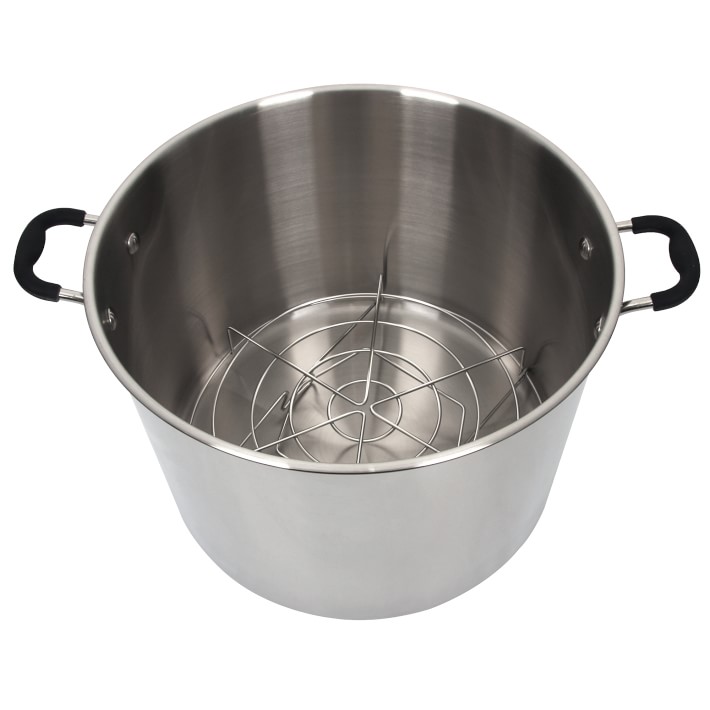
You don’t need a lot of specialty equipment, but there are a few basics that make everything a bit easier:
Canning Supplies



This post may contain affiliate links. If you make a purchase through links on our site, we may earn a commission. Please read our disclosure policy.
Make sure to learn all you need to know from my canning 101 guide.
Browse Everything
Want to see the full list in one place? Make sure to check out all my preserving recipes.