
This post may contain affiliate links. If you make a purchase through links on our site, we may earn a commission. Please read our disclosure policy.
If you’ve ever searched for “planting zone” when you really wanted to know when it’s safe to plant outdoors, you’re not alone. The confusion usually comes from the word “zone.”
- USDA hardiness zones are about winter survival for perennials.
- Frost dates are about timing for planting tender plants outdoors and the length of your growing season.
Once you separate these two ideas, planning a garden gets so much easier.
Quick Definitions
USDA Plant Hardiness Zone – A USDA hardiness zone is based on the average annual extreme minimum winter temperature, shown in 10°F zones with 5°F half-zones (denoted with “a” and “b”). For example, where I live in Iowa, I’m Zone 5b.
Frost date (and freeze date) – Frost and freeze dates describe when temperatures are likely to drop to a damaging threshold in spring and fall. NOAA and Extension resources (such as NC State Extension) often discuss probable dates (risk-based) rather than guarantees.
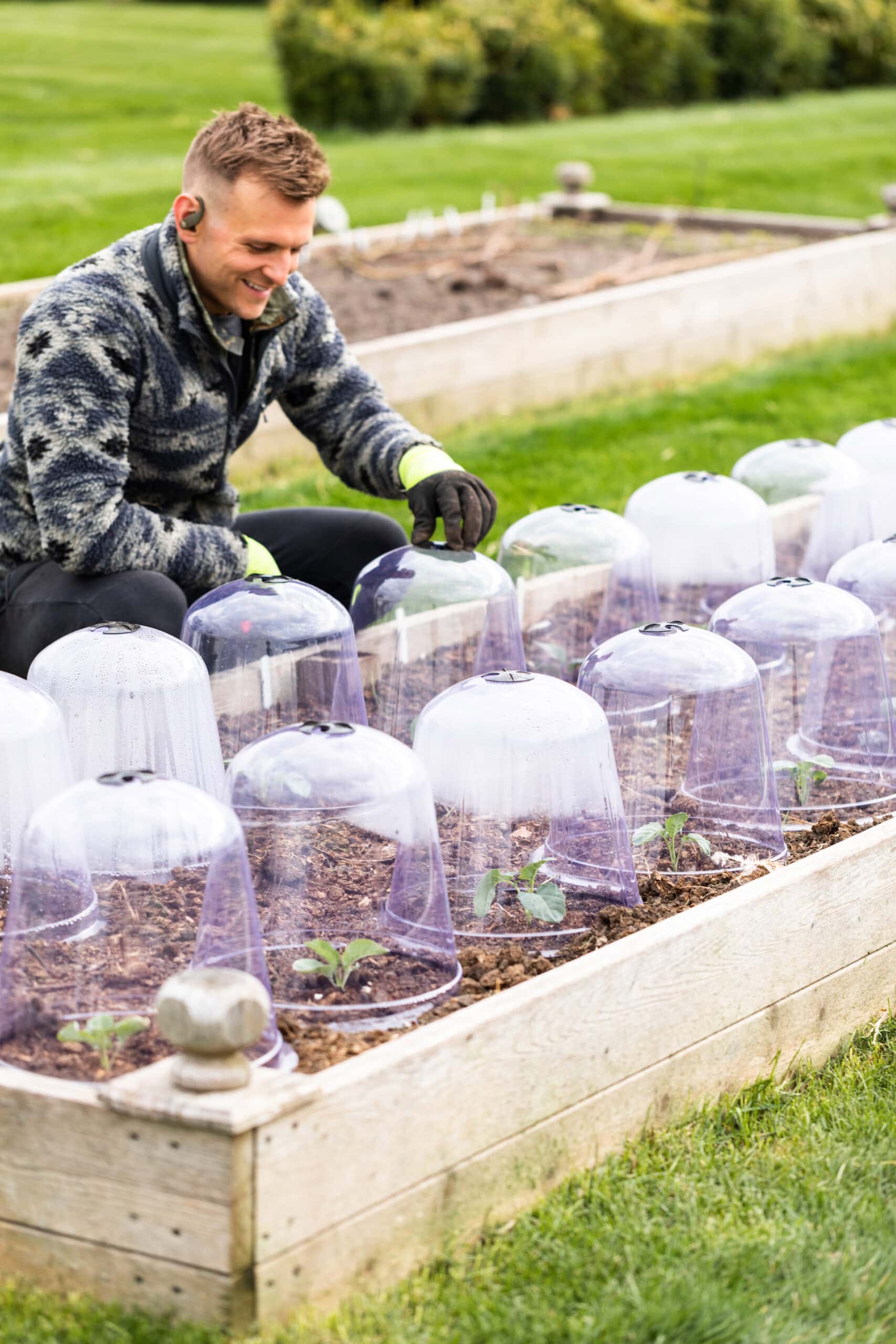
Zone vs Frost Date
- If your question is “Will this perennial survive winter here?” use your USDA hardiness zone.
- If the question is “When is it safe to plant outside?” use the last spring frost or freeze date (and first fall frost or freeze date).
What Each One Is Best For
Use your USDA zone for perennials – Hardiness zones were designed to help gardeners estimate which perennials are most likely to thrive at a certain location. Use it when choosing:
- Trees and shrubs
- Perennial flowers
- Perennial herbs
- Overwintering fruit (berries, fruit trees)
If you need help finding your Zone, make sure to check out my gardening zone guide.
Use frost and freeze dates for timing – Frost and freeze information helps you:
- decide when it’s generally safe to transplant warm-season vegetable crops
- plan seed starting schedules (“X weeks before last frost”)
- estimate your growing season length
The University of Vermont Extension sums it up well: By determining average last and first frost dates, you can estimate the average growing season length by counting days between them.
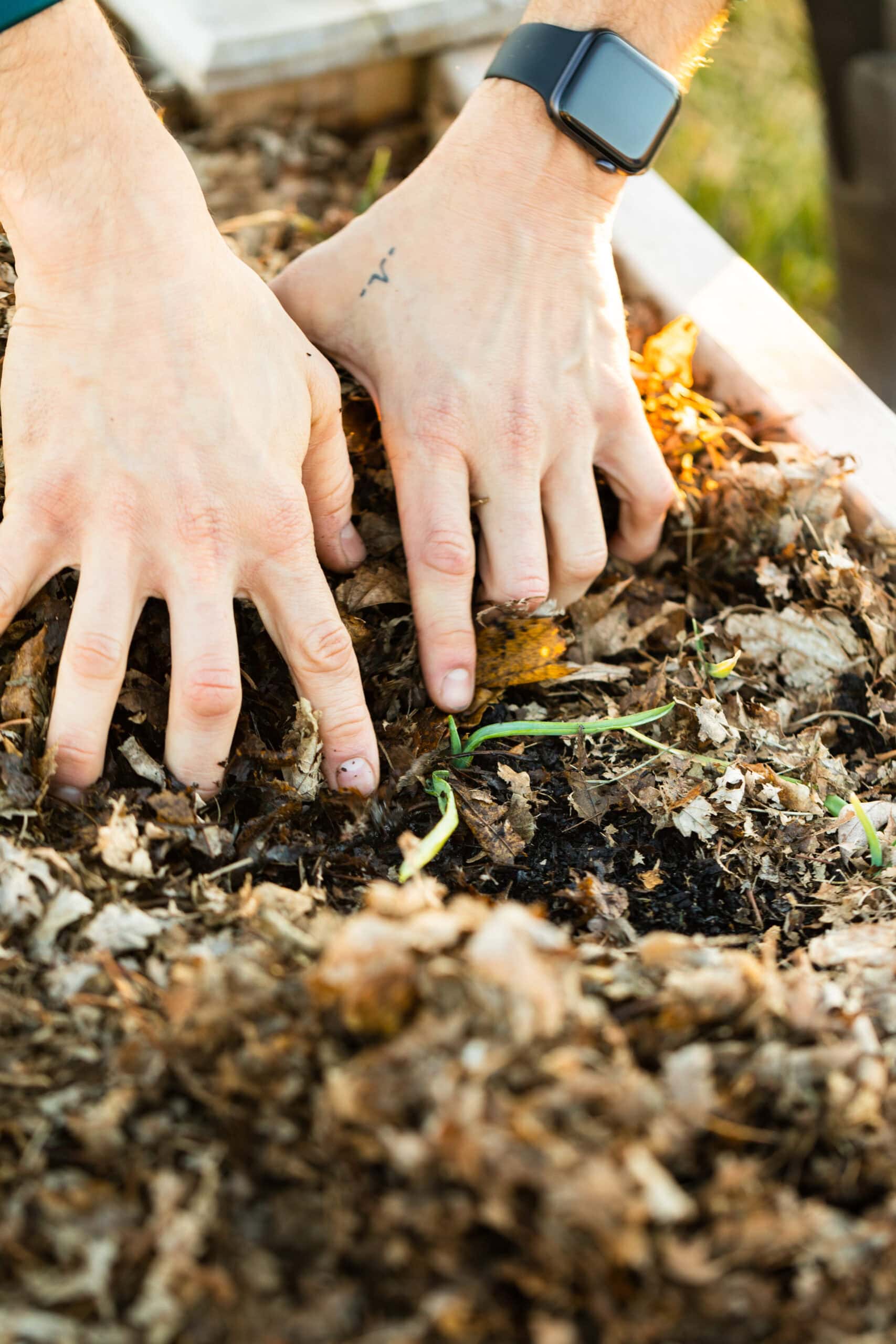
How to Find Your USDA Hardiness Zone
Use the official USDA Plant Hardiness Zone Map:
- Search your ZIP code.
- Click your exact spot on the map to confirm your zone.
Use my gardening zone guide to find your zone.
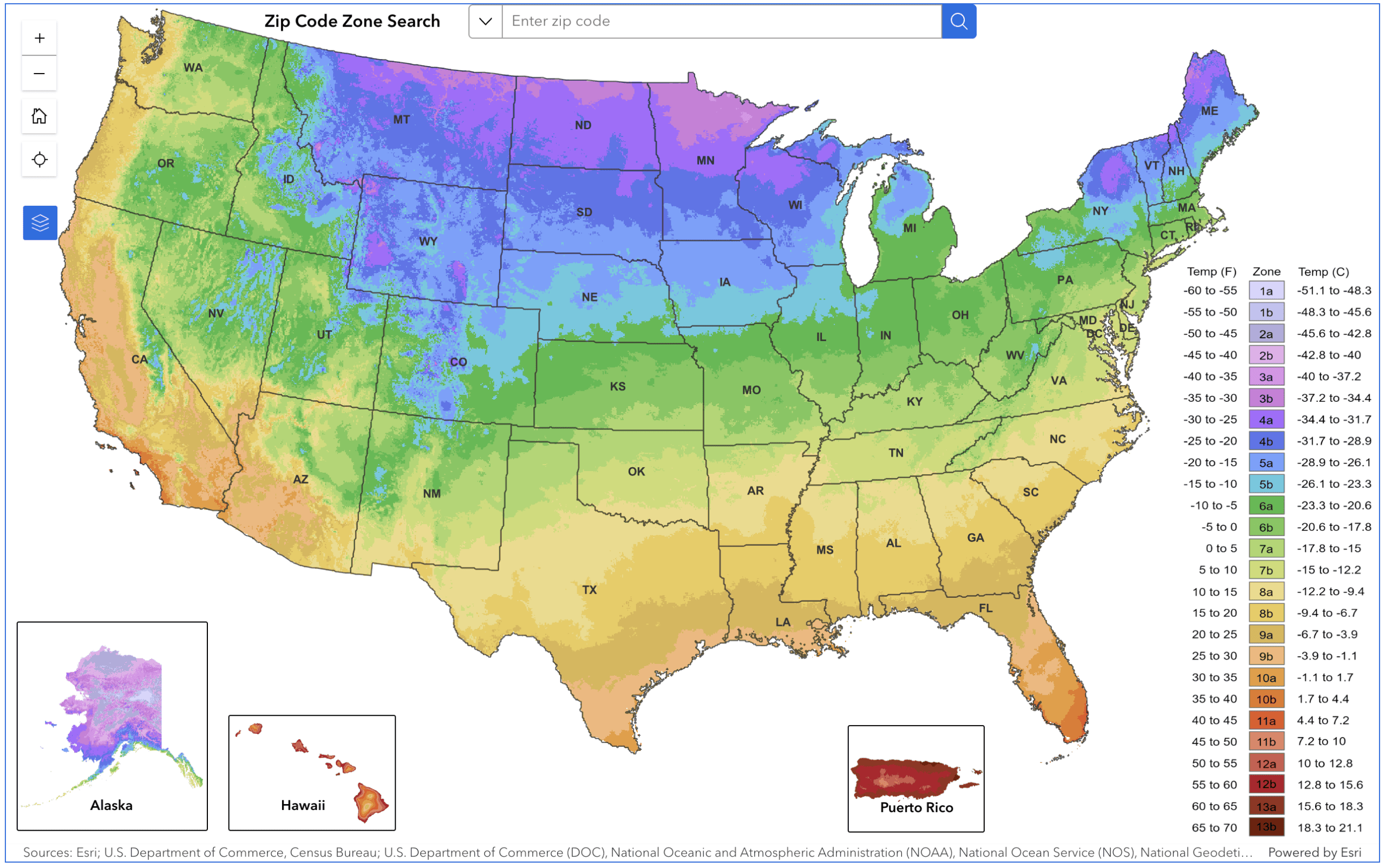
How to Find Your Frost and Freeze Timing
Best national baseline: NOAA Climate Normals – NOAA’s U.S. Climate Normals provide “typical” climate conditions for thousands of U.S. locations, calculated over an official 30-year period.
Helpful visual: Climate.gov last spring freeze map – Climate.gov publishes an interactive map showing the average date of the last spring freeze across the U.S., derived from Climate Normals. Use their Quick Access tool to find your frost and freeze timing.
Want the “risk level” view (recommended) – NC State Extension explains how NOAA NCEI freeze and frost probability tables work, including that the dates are probabilities tied to thresholds (frost, freeze, hard freeze). WRCC also explains probability levels as “risk of meeting or falling below a threshold by a specific date,” which is a useful way to think about planting with confidence.
Midwest-friendly tool – The Midwestern Regional Climate Center defines the growing season as the period between the last spring freeze and the first fall freeze, and provides freeze date tools using multiple temperature thresholds.
My Iowa Zone
Zone 5b in Iowa: why the zone helps, but frost dates still run the show – Much of Iowa sits in Zone 5 on the USDA hardiness map, which is useful for choosing perennials that can survive winter cold. But planting dates still depend on your local last spring freeze and first fall freeze.
For Midwest locations, MRCC’s freeze date tools show how those dates vary by county and by threshold (32°F vs other cutoffs).
Make sure to check out my Zone 5b planting calendar and gardening checklist.
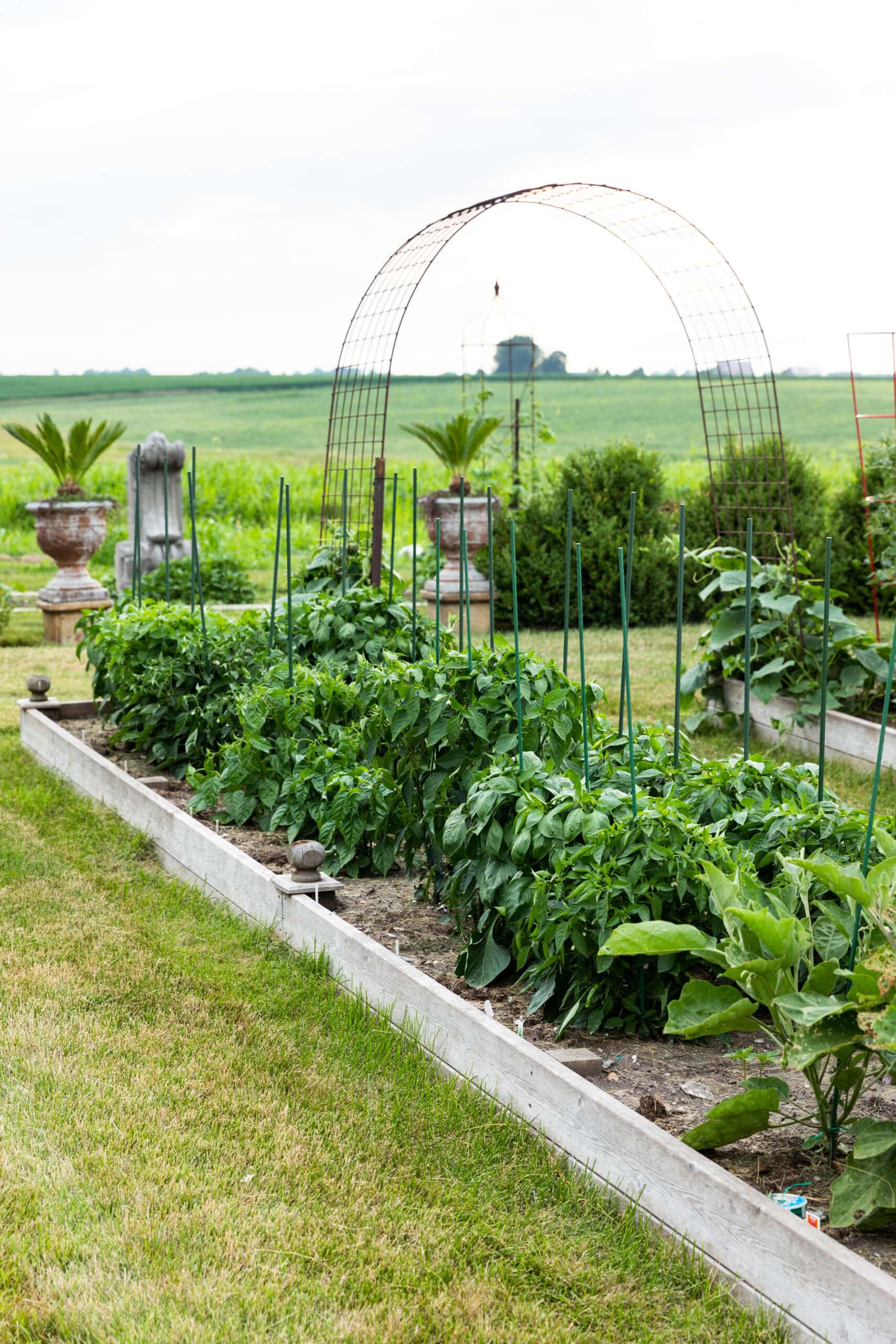
The Most Common Mistakes (and How to Avoid Them)
Mistake 1: Using your zone as a planting calendar – A Zone 5b gardener in one state may have a different last frost window than a Zone 5b gardener somewhere else. Zones measure winter lows, not spring warm-up.
Fix – Use the zone to choose perennials, then use frost and freeze probabilities to set planting dates.
Mistake 2: Ignoring probability – “Last frost date” is not a single day that never changes. Probable dates depend on what risk you are willing to take (higher risk translates to earlier planting).
Fix – Pick a risk level and stick with it each year (for example, “I plant warm-season crops when the risk is low, not when it’s 50/50”).
Mistake 3: Mixing up frost and freeze – Some resources track multiple thresholds and definitions (frost, freeze, hard freeze). If you grow tender plants, the threshold matters.
Fix – When you look up dates, note whether the source is using 36°F “frost” or 32°F “freeze,” and plan accordingly.
How to Use Both Together (Simple Method)
- Pick perennials using your USDA zone (winter survival filter).
- Set your garden calendar using frost and freeze probabilities (timing filter).
- Adjust for your yard’s microclimates (windy hill, protected south wall, low frost pocket) by watching what happens in real life each season.
Frequently Asked Questions
Most of the time, “planting zone” is used informally to mean USDA hardiness zone, which is based on average annual extreme minimum winter temperatures.
Zones track winter minimums, while frost and freeze dates depend on patterns in spring and fall temperatures as well as local geography and microclimates. NOAA normals and probability tools capture those differences better than a zone number can.
Frost and freeze dates, because they control when tender plants can go outside and how long they have to mature.