

This post may contain affiliate links. If you make a purchase through links on our site, we may earn a commission. Please read our disclosure policy.
Gardening is inherent to me. I grew up in the garden with my mom planting, weeding, and of course learning. So much of what I do now is because of what I learned years ago. That is not the case for many. I started Wyse Guide as a way to help others learn and grow from watching and learning, just like I did.
Gardening can look like a lot of work. We often picture our grandmas breaking their backs in their huge gardens, weeding, tending plants, and working tirelessly for hours.
Times have changed. Many of us do not need gardens of that size and can make do with a smaller raised bed or even a few containers. This is all about breaking down any mystifying processes and learning how to grow the food you enjoy!

How do I know when a seedling is ready to plant?
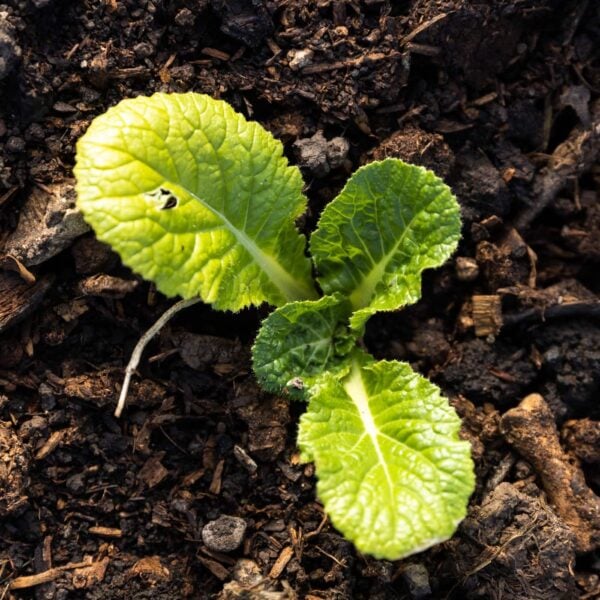
After you go through the process of starting seeds and taking care of them, you may realize you do not know the next steps. As the seedling grows, it will fill into the cell in which it is planted. To check if the seedling is ready, gently remove the seedling from the cell and see if the roots have filled in and are wrapping around the soil. If the seedling does not come out easily from the cell and the roots are not very visible, it will be slightly weaker and should be left to continue growing. When the roots are very visible and encircling the seedling, they are ready to either be planted in the garden or potted into a slightly larger container to grow more.

When can I plant my seedlings outside?
Planting zones are important. Each zip code is assigned a planting zone by the USDA. These zones will help determine your last spring frost dates. Broccoli, cauliflower, and cabbage are cold-season crops and do well in cooler temperatures. Cabbage can be planted in the garden when the low temperatures are around 45 degrees Fahrenheit. The plants grow optimally when the temperature reachs 60-64 degrees during the day.
How deep do I plant them?
Some seedlings can become weak indoors. WIthout strong enough light, seedlings search for light and become spindly and thin. Plant the seedlings deep enough that the soil comes to the crown of the plant. The crown is where the leaves extend from the main stem. This ensures sturdy and strong growth for the plant with deep root growth.

Do I need to cover them?
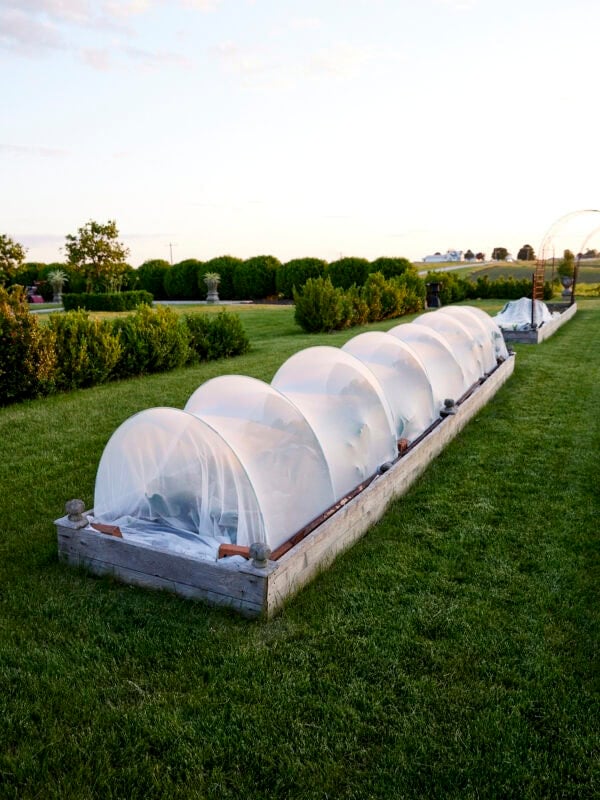
If you plant the cold crops before it is warm outside and the temperatures dip to freezing, it is important to cover them. Use garden cloches or plastic jugs with the bottoms cut off to create a mini greenhouse effect for the seedling.
Do I fertilize them?
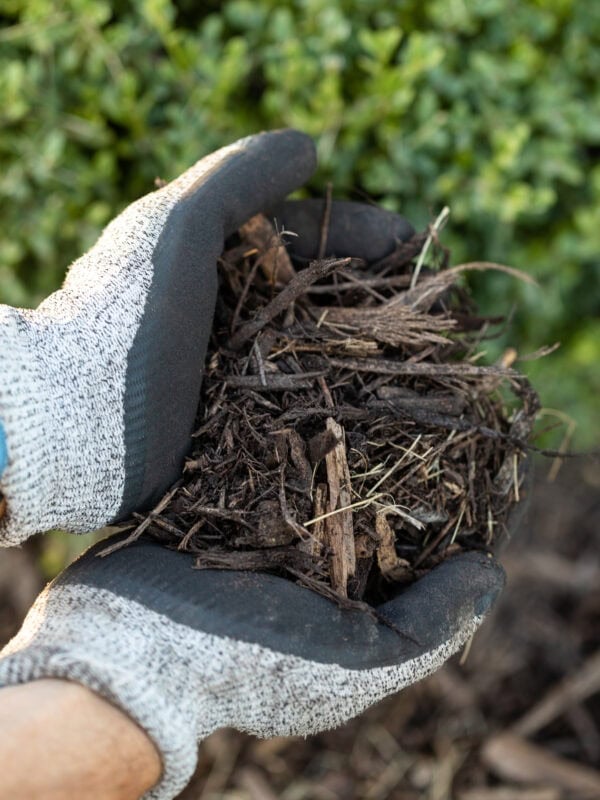
I think a plant should derive its nutrients directly from the soil rather than through synthetic fertilizers. I top dress yearly with organic compost and worm castings to create a healthy and living soil. If you feel your soil is lacking, it’s a good idea to test the soil with an at-home kit to see what it may need.
When I do fertilize, I use fish emulsion diluted in water. It can be used once a week for healthy plants!

Watch how to plant seedlings:


My friend Patti Brown watches you all the time and introduced me to you for our St. Patrick’s Day dinner. I love your website and will be turning to you for spring planting.
Loved your videos
I just need to say “I love you”! I just love you. You make gardening and cooking seem doable. You give me confidence and calm about pursuing my gardening interests. I’m just so thankful for you.
Victoria
This makes my day, thanks so much for following along!
More of a question than a comment I have columbine growing somewhere I don’t want it and rather than throwing it away I’d like to give it to a friend but not sure when the best time is to dig it up, it’s currently flowering, do I wait until it’s done flowering or just go for it now? I do love your posts
You so inspire me! I now have many wonderful new recipes and 4 flats of seeded cells! I can’t wait to see how they do. Just 🌱 Ing now. I tell all of my friends and family about you and I wish you all the best with your Wyse Guide website and look forward to your daily visits!
Hi! My name is Lois Jackson from Michigan and I try to watch anything and everything you post! You seem to have a vast array of knowledge! I have a guest on about composting! My grand-daugter is planting a garden and I encouraged her to make her own compost! But!!!! I told her to start saving things out of her kitchen like egg shells, banana peel, orange peel and things like that! Get a garbage can and put some top soil in the bottom and when she get enough scraps, pour them in the garbage can! And that is all I know about composting! Can you offer any assistance!? Thank you!