


Why I Love Fermentation
On my Iowa farm, preserving is all about practicality. When my garden is pumping out tons of produce, or the fridge is packed to the brim, I want simple, reliable ways to keep this food tasting fresh for longer.
Fermentation is a cost-effective way to achieve this.
It’s a time-tested method that uses salt, temperature, and a little patience to create bold flavor and build a stock of tangy and craveable vegetables in your fridge.
If you’re new to fermentation, start with one of the projects below. I’ll walk you through exactly what to do, what to expect, and how to troubleshoot so you feel confident from day one.
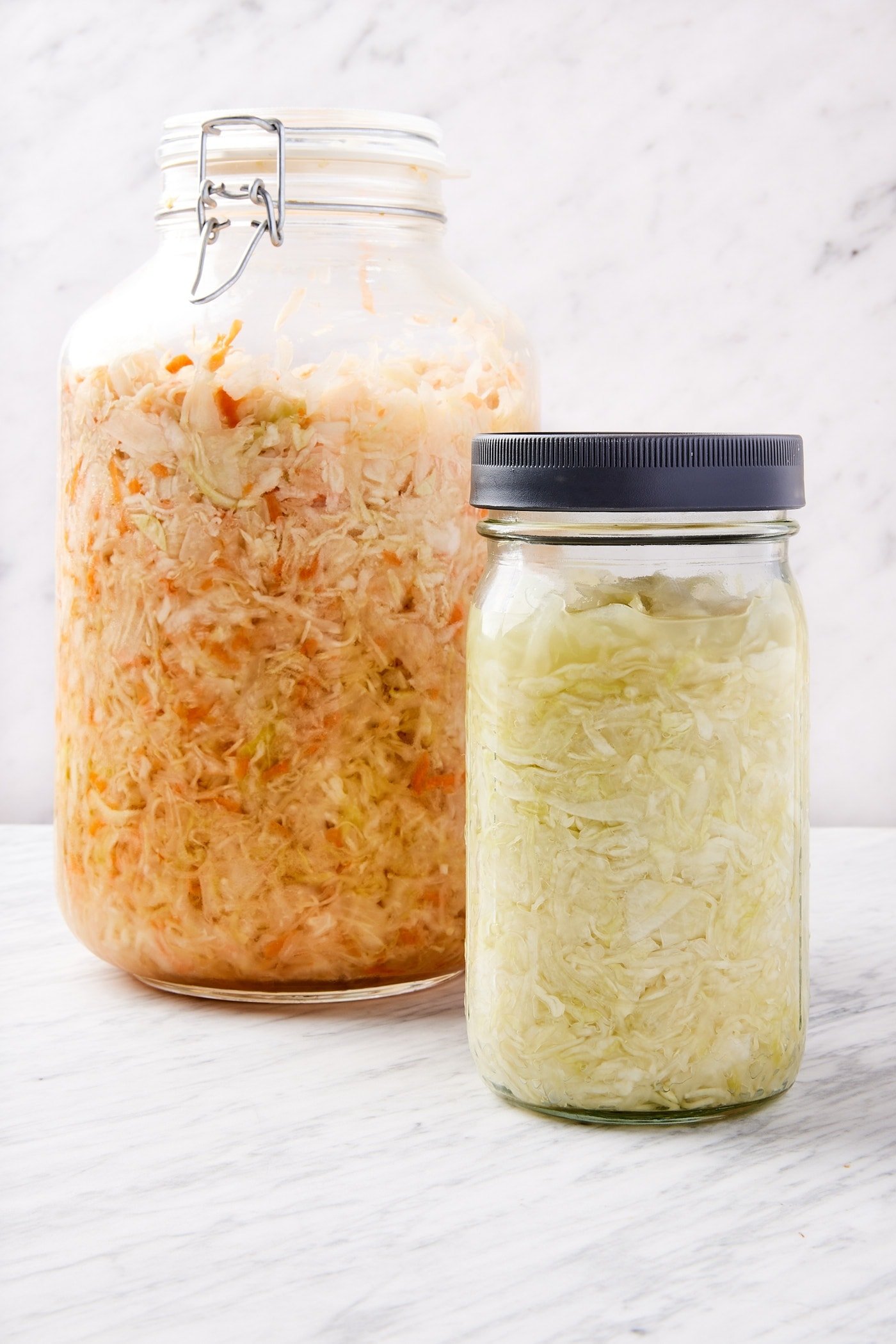
Start Here
New to fermentation? Start with the basics and safety tips below.
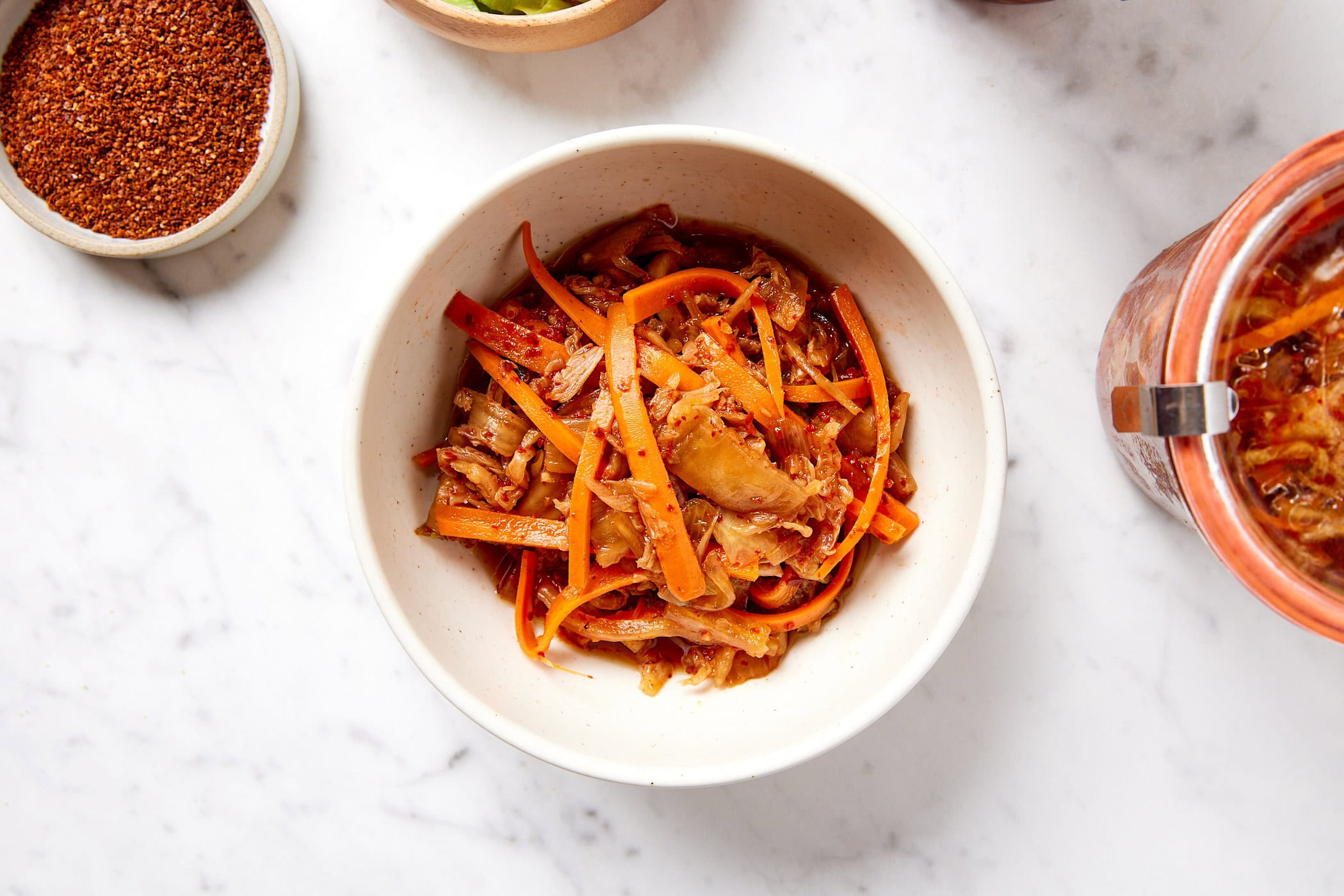
- Want to make kimchi? Try my step-by-step guide to make kimchi at home
- Want to make sauerkraut? Start here to make homemade sauerkraut
- Interested in all types of preserving? Make sure to check out my preserving guide.
Fermentation Basics (The Simple Rules That Make It Work)
Fermentation can sound intimidating, but it’s actually very straightforward once you know what matters most.
Here are the 5 key principles that keep everything safe and successful:
- Salt is the preservative – It pulls moisture from vegetables and creates a brine that protects the ferment while good bacteria do their work.
- Keep everything under brine – This is the golden rule. Vegetables exposed to air are where problems start.
- Temperature affects timing – While room temperature is always used, warmer spaces ferment faster, cooler spaces ferment slower.
- Bubbles and tang are normal – A little fizz, a tangy smell, and flavor changes are all part of the process.
- Know the difference between kahm yeast and mold – Kahm yeast is usually harmless but can affect flavor (see below for more details). Fuzzy mold is a hard stop.
Fermentation Quick Answers
Is fermented food safe to eat? Yes, when you use the right amount of salt, keep vegetables submerged under brine, and ferment at a reasonable temperature.
Do I need special equipment to ferment? No. You only need a jar, some salt, and a way to keep the vegetables submerged in brine.
What is the white film on top? Sometimes, a white film called kahm yeast can form on the surface of fermented foods, such as kimchi and sauerkraut. While it doesn’t happen all of the time, it’s usually harmless. Fuzzy or colored growth is mold, though, and the batch should be discarded.
How do I know when it’s done? When it tastes tangy and pleasant to you. Refrigerate to slow fermentation at that point.
Timelines and Storage (What to Expect)
One of the most common questions in preserving is, “How long will this take?” Fermentation has a range because every kitchen is different, but here’s the general timing:
Kimchi Timeline
- Day 1 – Mix, pack, and press to create brine.
- Days 2 to 4 – You’ll start seeing bubbles, and the flavor will shift from fresh to tangy.
- Days 4 to 7 – Move it to the fridge when it tastes how you like it. It will keep developing slowly over time.
Start here: How to make kimchi
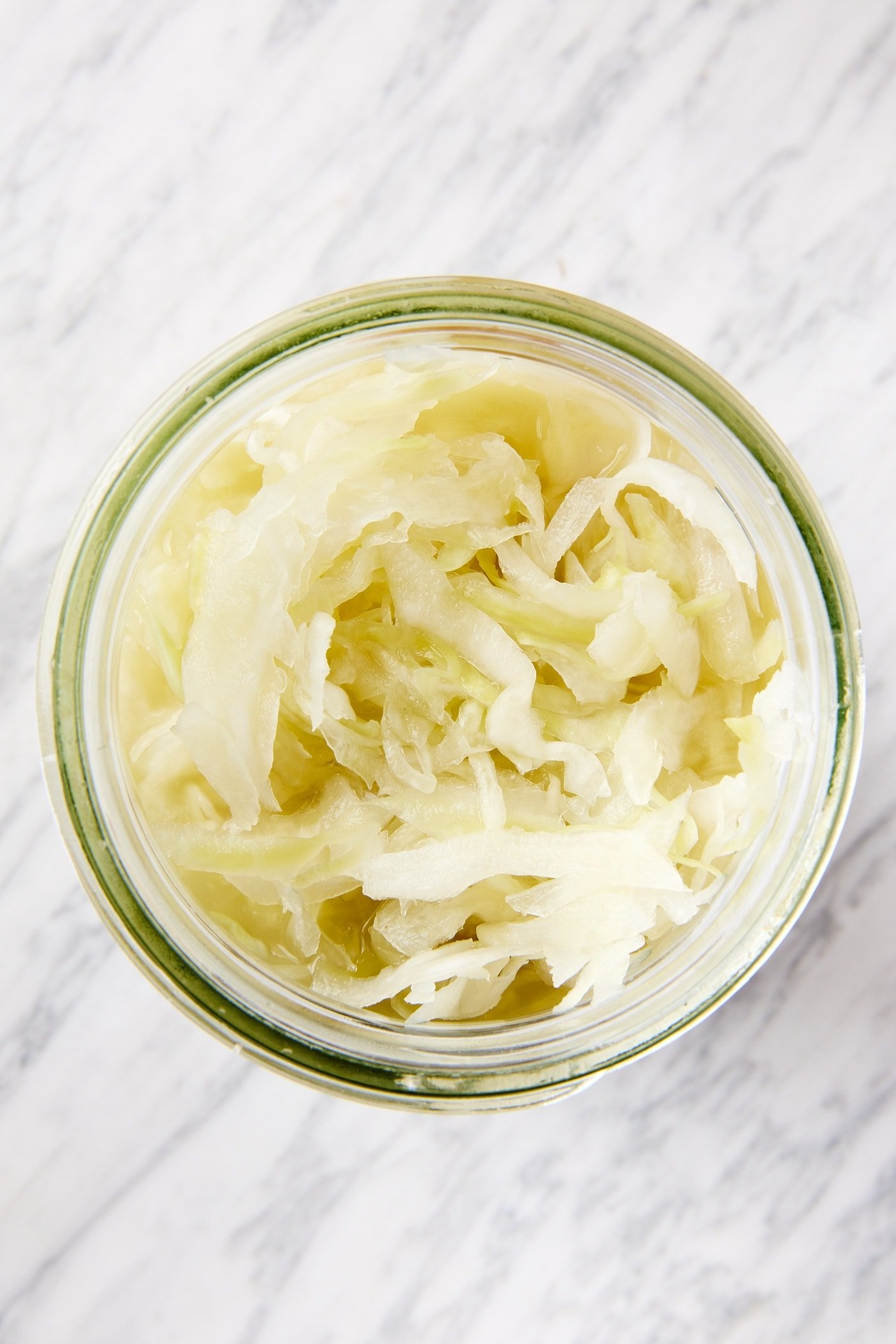
Sauerkraut Timeline
- Days 1 to 3 – Cabbage softens and releases brine.
- Days 4 to 9 – Flavor becomes more distinctly tangy.
- After that – Refrigerate when it’s where you want it. It continues to mellow and deepen in the fridge.
Start here: Homemade sauerkraut
Troubleshooting (Quick Fixes for Common Issues)
If something feels “off,” don’t panic. Most fermentation issues have simple fixes.
- Not enough brine – Press the vegetables down, wait a bit, and add a small amount of saltwater only if needed.
- Vegetables floating – Use a weight and pack the jar tighter next time.
- Too sour – Move it to the fridge sooner. Cold slows fermentation dramatically.
- Soft vegetables – Check the salt ratio and temperature. Warm temperatures can soften things faster.
- Kahm yeast – If you see kahm yeast, skim it off. The ferment will now have the yeast present, allowing more yeast to grow and affect the flavor. It’s best to skim it off and stop the fermentation by placing it in the refrigerator.
- Mold – If it’s fuzzy or colored, discard the batch.
For the most detailed, step-by-step troubleshooting, I talk about it directly in each guide below.
Choose Your Project
Kimchi is one of the most flavorful ways to preserve vegetables in the fridge. It’s spicy, tangy, and incredibly versatile, and it’s also a great “first ferment” because you can taste it every day and decide when it’s perfect.
Sauerkraut is the classic. It’s just cabbage, salt, and time, and once you make it, you’ll understand why it’s been a preserving staple for generations.
Tools That Make Fermentation Easier
You don’t need a lot of special equipment, but a few basics make the process smoother:
- Wide-mouth jars
- A kitchen scale (best for consistent salt ratios)
- Fermentation weights (or a small jar inside a larger jar)
- A tray or plate under the jar (ferments can bubble over)
- Fermentation crock or jar
This post may contain affiliate links. If you make a purchase through links on our site, we may earn a commission. Please read our disclosure policy.
More Preserving Recipes
If you’re already canning and pickling, fermentation is a natural next step. Here are a few more vegetable-preserving favorites:
Summer
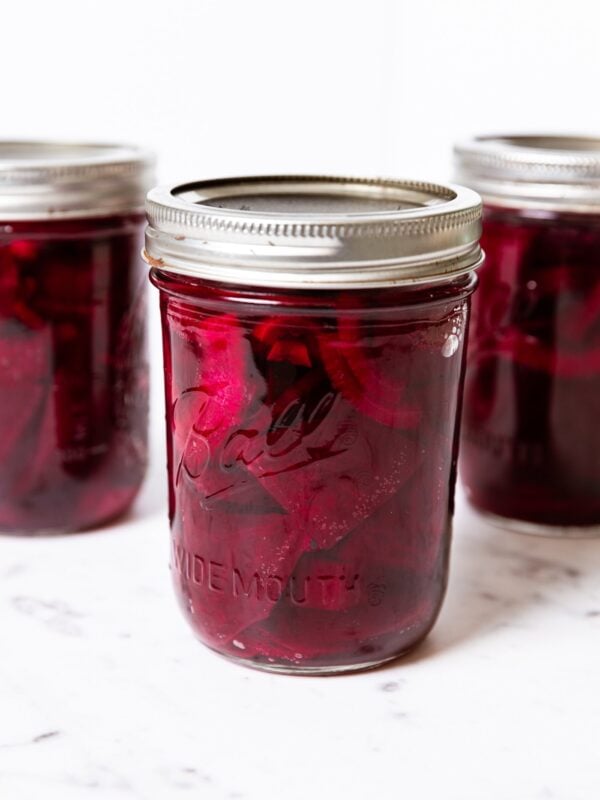
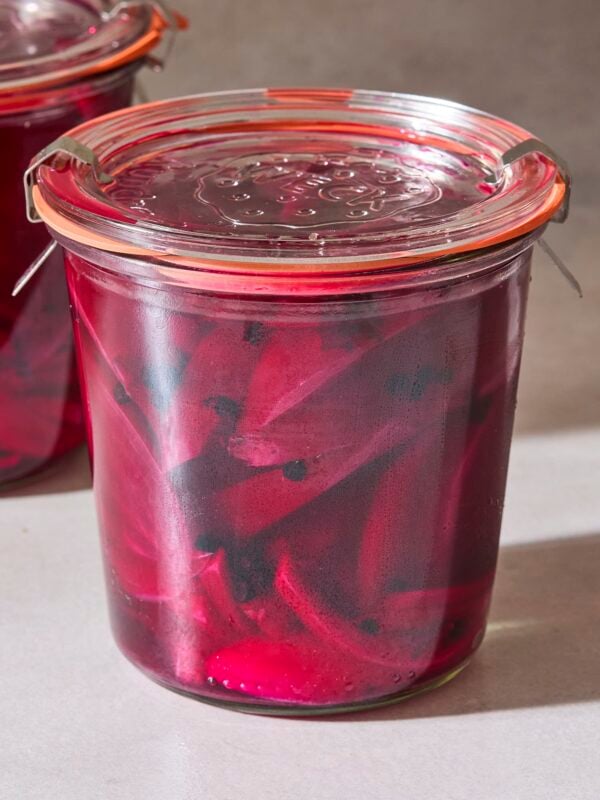
Canned Pickled Beets
A quick and simple canning recipe that can be enjoyed on salads and snacks.
Pickles
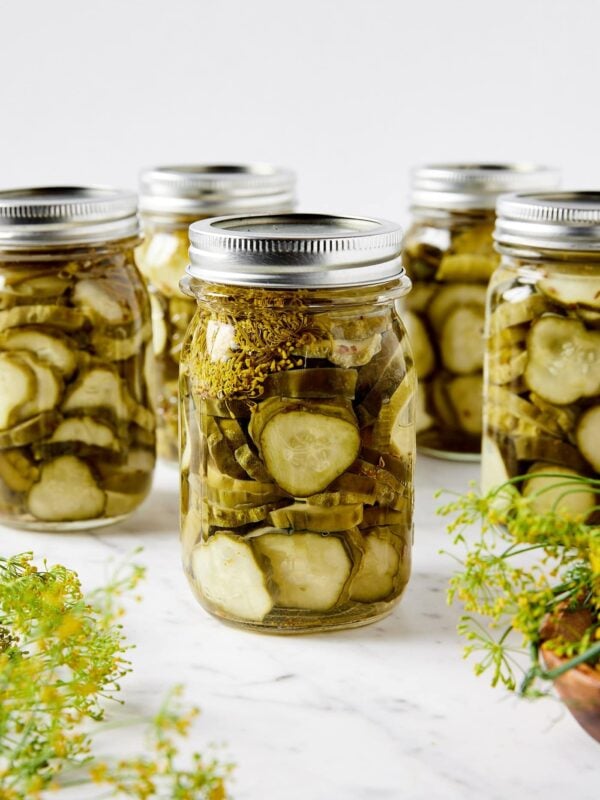
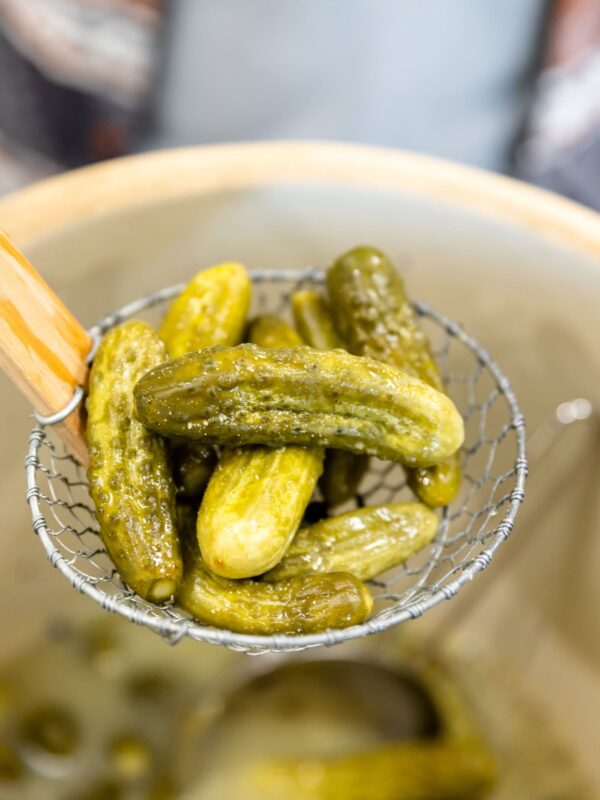
Canned Dill Pickles
Straightforward, simple, this a classic pickle recipe that’s everyone’s favorite.
Pickles
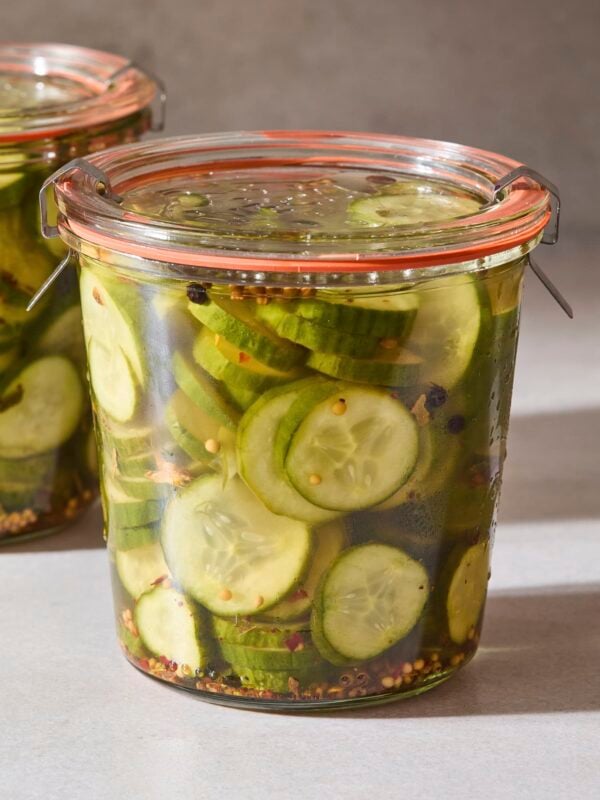
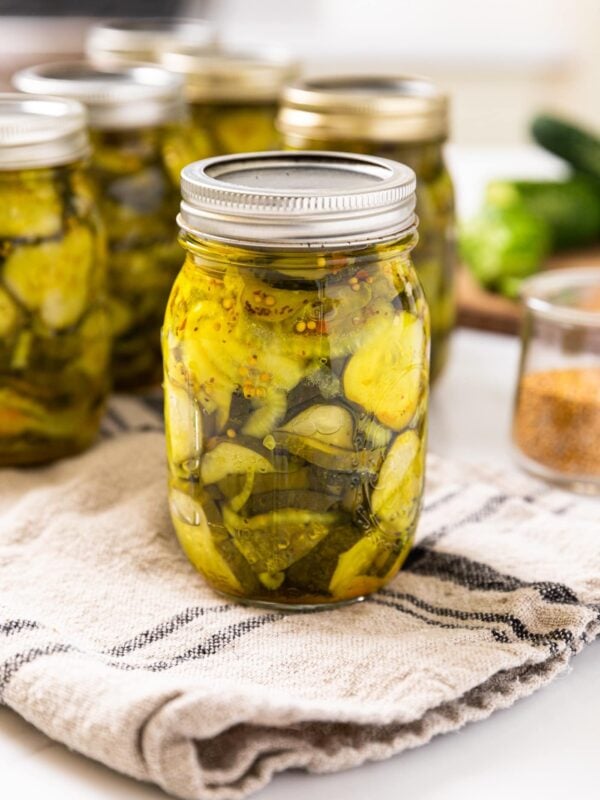
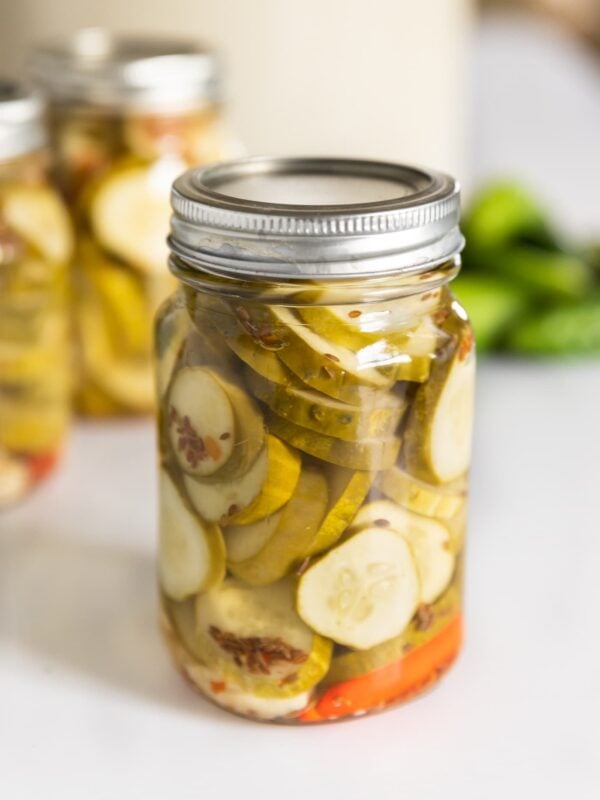
Canned Bread and Butter Pickles
Sweet, tangy canned bread and butter pickles that last all season.
Want to browse everything in one place? Make sure to check out all of my preserving recipes and my full preserving guide!