

This post may contain affiliate links. If you make a purchase through links on our site, we may earn a commission. Please read our disclosure policy.
Gardening is all about timing and flexibility. Use this month-by-month calendar as your seasonal roadmap, then fine-tune it with your local frost dates for planting timing.
What’s great about my Zone 5b planting calendar is that it gives you a true four-season garden, made up of a cool spring window, a productive summer, and a long fall stretch if you plan for it accordingly.
Before getting to the calendar, here’s one quick note that keeps many gardeners from getting frustrated: your USDA zone is about winter cold, not planting dates. The USDA Plant Hardiness Zone Map is based on the average annual extreme minimum winter temperature and is displayed in 10°F zones with 5°F half-zones.
If you haven’t confirmed your zone yet, make sure to check out your gardening zone, so you know what to plant.
Table of Contents
How to Use This Calendar
Base your timing around your frost and freeze dates, then use the month-by-month checklist to stay on track.
- Treat the months as a seasonal checklist, not a strict schedule.
- If you start seeds indoors, the big lesson is this: starting earlier does not always mean better. Smaller, healthier seedlings often outperform oversized starts once they hit the garden.
Practical takeaway – Use USDA zones for perennial winter survival, and use frost and freeze information for planting timing.
Two Ways Most People Garden
Most gardeners fall into one of two camps, and both are great.
- You buy transplants at a garden center when the time is right. This is the simplest on-ramp, and it works.
- You start seeds indoors weeks before planting outside. This gives you more variety choices and often stronger timing control, but it takes a bit more setup. Make sure to check out my guide to starting seeds for more information.
No matter which one you choose, most gardens still include some seeds that get direct-sown right into the ground. Think leafy greens, carrots, beets, radishes, and more.
Let’s get started on my Zone 5b planting calendar:
January
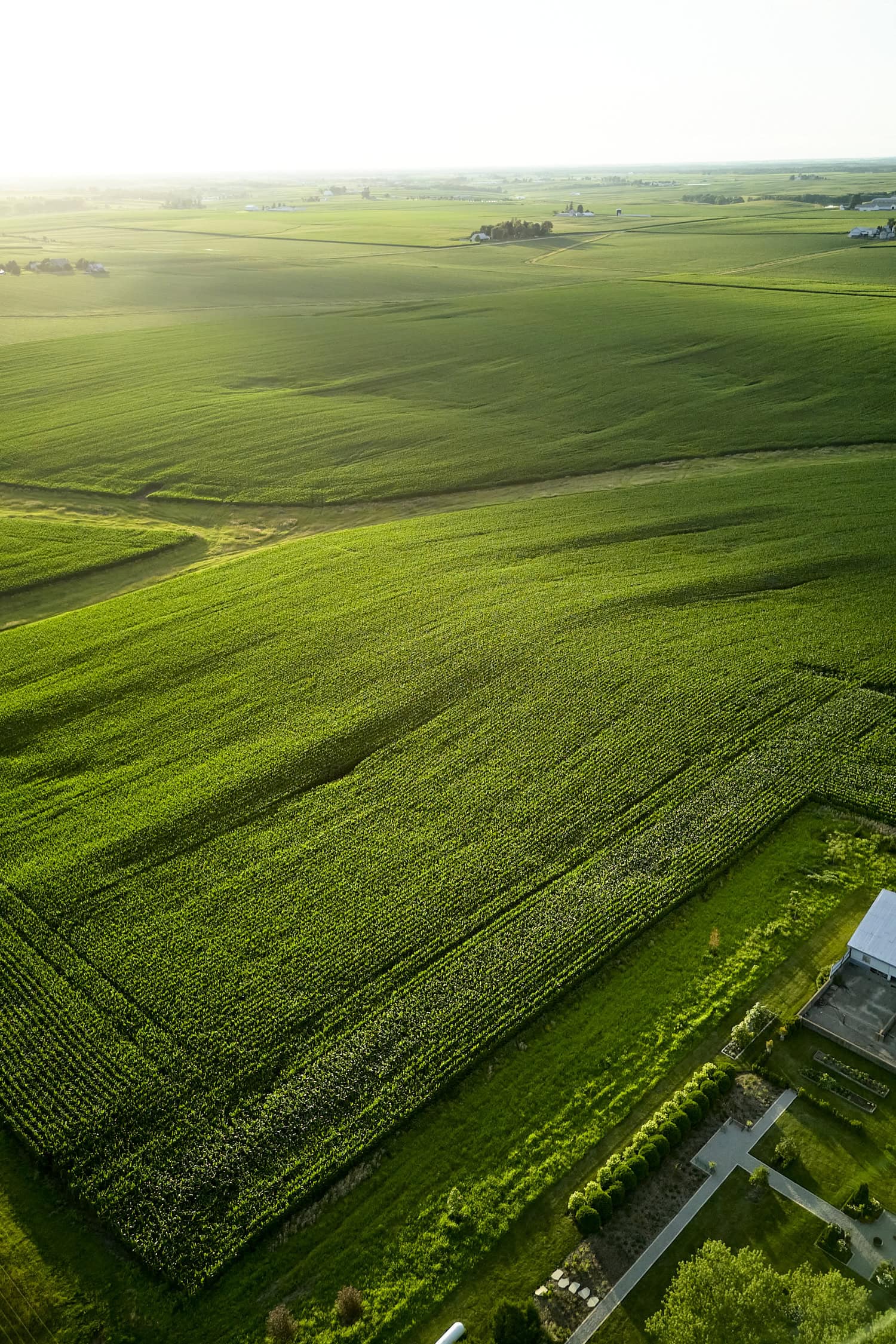
After the holidays, January feels like a reset. It’s cold in my Zone 5b garden in Iowa, so I slow down, take stock, and set myself up for a calm spring.
January checklist
- Check your seed supply. Inventory what you already have before you buy anything.
- Test older seeds for viability, especially anything older than 3 years. To do so, place a few seeds in a folded, damp paper towel. Seal in a clear zip-top bag. Wait 5-10 days. Count how many sprout. If 50% or less germinate, replace the packet.
- Replace short-life seeds first, such as onions, leeks, parsley, and peppers.
- Order seeds early so your must-have varieties don’t sell out.
- Start onions from seed indoors. This is the one thing I start in January. Make sure to choose the correct type: long-day onions for northern latitudes; short-day onions for southern regions
February
February feels like the stretch before the jog. Nothing looks busy outside yet, but this is when I make sure March is set up for success.
February checklist
- Gather seed-starting supplies (so you aren’t scrambling later).
- Use seed-starting mix, not regular potting soil.
- Set up grow lights. This is the investment that changes everything for sturdy seedlings.
- Decide on your seed starting method. Cell trays are easy and common, but can encourage root binding and more transplant shock. Soil blocks, on the other hand, use space efficiently and tend to create better roots with less stress at transplanting.
- Use a humidity cover (a dome or clear cover) to keep soil from drying out in winter’s dry air.
- Add a small fan beside your seedlings to mimic wind, which helps to strengthen the seedlings.
- Late-winter outdoor task: cut back asparagus ferns close to the soil, then top with compost.
March
March is when the season starts (for me, at least), even if the garden still looks asleep. But the biggest mistake is starting too much too early. It creates more work and rarely yields earlier harvests.
March checklist
- Start cool-season seeds indoors first: brassicas such as broccoli, cauliflower, and cabbage.
- Label everything. If you think you’ll remember which seedling you started in each cell/soil block, I guarantee that you won’t.
- Topdress seedlings with vermiculite after sowing (a thin layer helps reduce damping off).
- Start individual lettuce seedlings indoors 1 to 2 weeks after brassicas if you want head lettuce to transplant outdoors in April. You can also direct sow seeds for row lettuce and salad mixes, but this will be in April, when the weather is warm enough for seeds to germinate.
- Prep beds when the weather allows. Add about 2 inches of compost to raised beds to replace what has settled over the winter.
- Do not plant outdoors in March (generally). It will tempt you, but then a hard freeze shows up. But if you do decide to do so, use row covers for early crops. Or cut the bottom off a plastic jug and set it over a seedling like a tiny greenhouse.
April
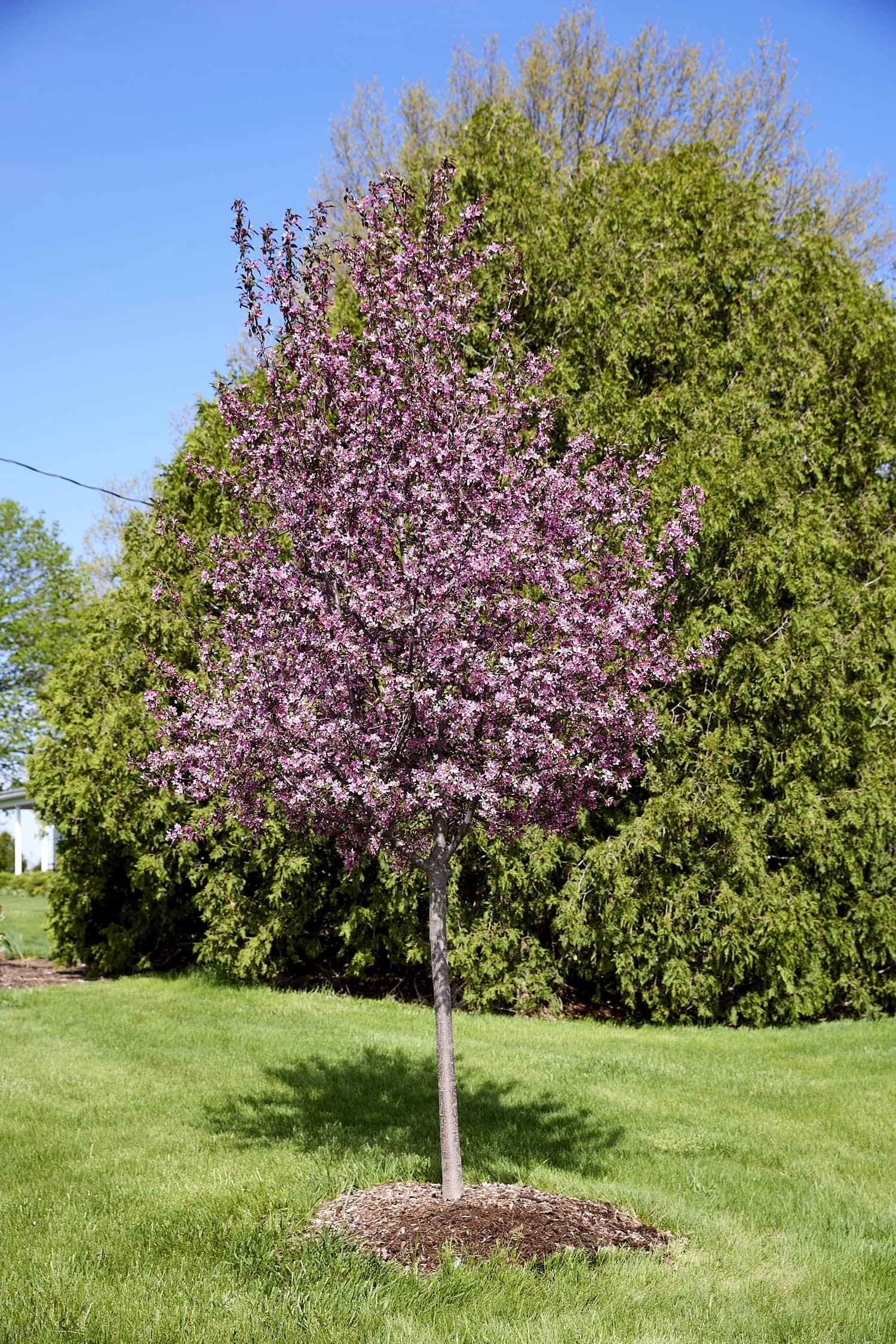
April will be the month that tests your patience. It can be wet and cold, or warm and sunny.
April checklist
- Start warm-season seeds indoors about 6 weeks before planting outside: tomatoes, peppers, and eggplant.
- Plant brassicas outdoors around mid-April when you hit a workable weather window.
- Use covers or cloches as needed to buffer cold nights.
- Harden off seedlings over 1 to 2 weeks. Start with short outdoor stints in a protected spot. Then gradually increase time and sun exposure.
- Direct sow the following plants outside, timing can fluctuate depending on the weather: radish, kale, spinach, arugula, Swiss chard, carrots, and beets. Plant seed potatoes (I aim for Good Friday when I can).
- Plant onion starts outside (these were started back in January).
- Early harvests may begin: asparagus (6-8 inches tall and pencil-thick) and rhubarb (pull the stalks, discard leaves, and don’t take more than about a third at a time).
- Swap row covers for insect netting once brassicas don’t need warmth, to help block cabbage moths.
May
May is when the garden starts to feel real. This is the month where most things go in the ground, but it’s also the month where a late freeze can wipe things out, so just be aware.
May checklist
- No warm-season planting before Mother’s Day (general rule), unless the forecast is calm and the soil is truly warm.
- Plant peppers, green beans, eggplant, and okra. The peppers and eggplant are started indoors in April. I directly sow the green beans and okra in the garden.
- Plant tomatoes: Take off the bottom leaves and dig a deep hole. The tomatoes should be planted deeply, as they will grow roots along the buried stem for a sturdier plant. Make sure to check out my guide for how to grow tomatoes!
- Support tomatoes early: stake them or add cages for airflow and storm protection.
- Implement a tomato blight strategy: 1) rotate tomato beds (I avoid planting in the same spot for several years), 2) mulch to prevent soil splash, and 3) grow enough plants that some loss doesn’t ruin the season.
- Harvest starts: radishes (succession sow weekly for a longer harvest window), and greens such as spinach, kale, arugula, and row lettuce. Harvest the greens in the morning, then wash, dry, and store them with a damp paper towel.
- Watering becomes the job. Small plants dry out fast in the wind and sun.
June
June is when the garden shifts gears. Early June can feel slow, but then the heat arrives, and everything takes off.
June checklist
- Wait to plant most zucchini, cucumbers, pumpkins, and winter squash until after June 14 (I plant closer to the solstice).
- Harvest garlic scapes when they curl, but before they open. Make sure to check out my guide to growing garlic for more info!
- Stop harvesting asparagus when the spears start leafing out quickly. Let it fern out to rebuild its energy.
- Start planning the fall garden in late June. Start a small batch of fall brassicas indoors now so they’re ready in about 6 weeks.
- Secure tomato cages with T-posts once the tomato plants are large enough.
July
July is all about gardening in full stride. The garden will tend to need a lot of attention during this month.
July checklist
- Finish brassica harvests (cabbage, cauliflower, broccoli).
- Plant fall cabbage transplants (started indoors in June) instead of direct sowing in the July heat. Cover fall brassicas with insect netting immediately and water consistently.
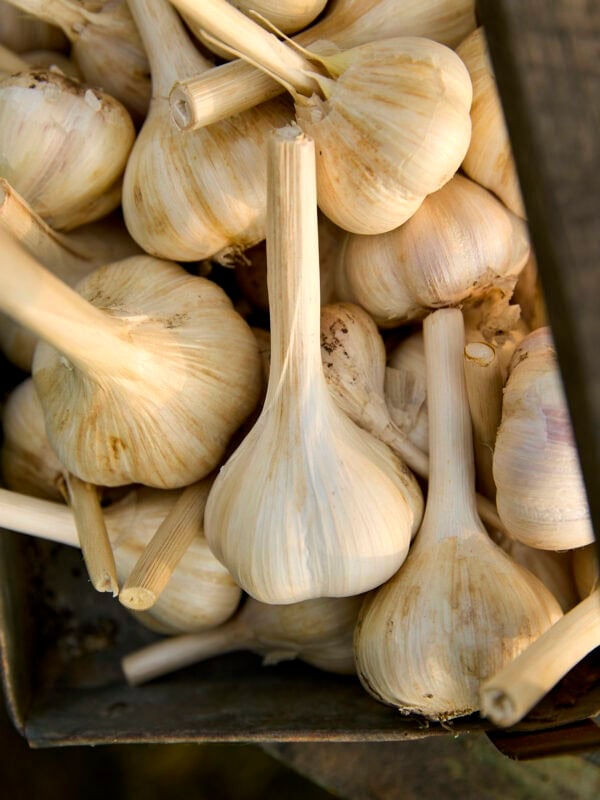
- Harvest garlic when the leaves are yellow and dry, about one-third of the way down on each leaf, and the bulbs are well-formed. Cure in a dry area with airflow for at least 2 weeks. Then clean and store in a cool, dark place. Check out my garlic growing guide!
- Stake peppers before the fruit weight makes them bend or break.
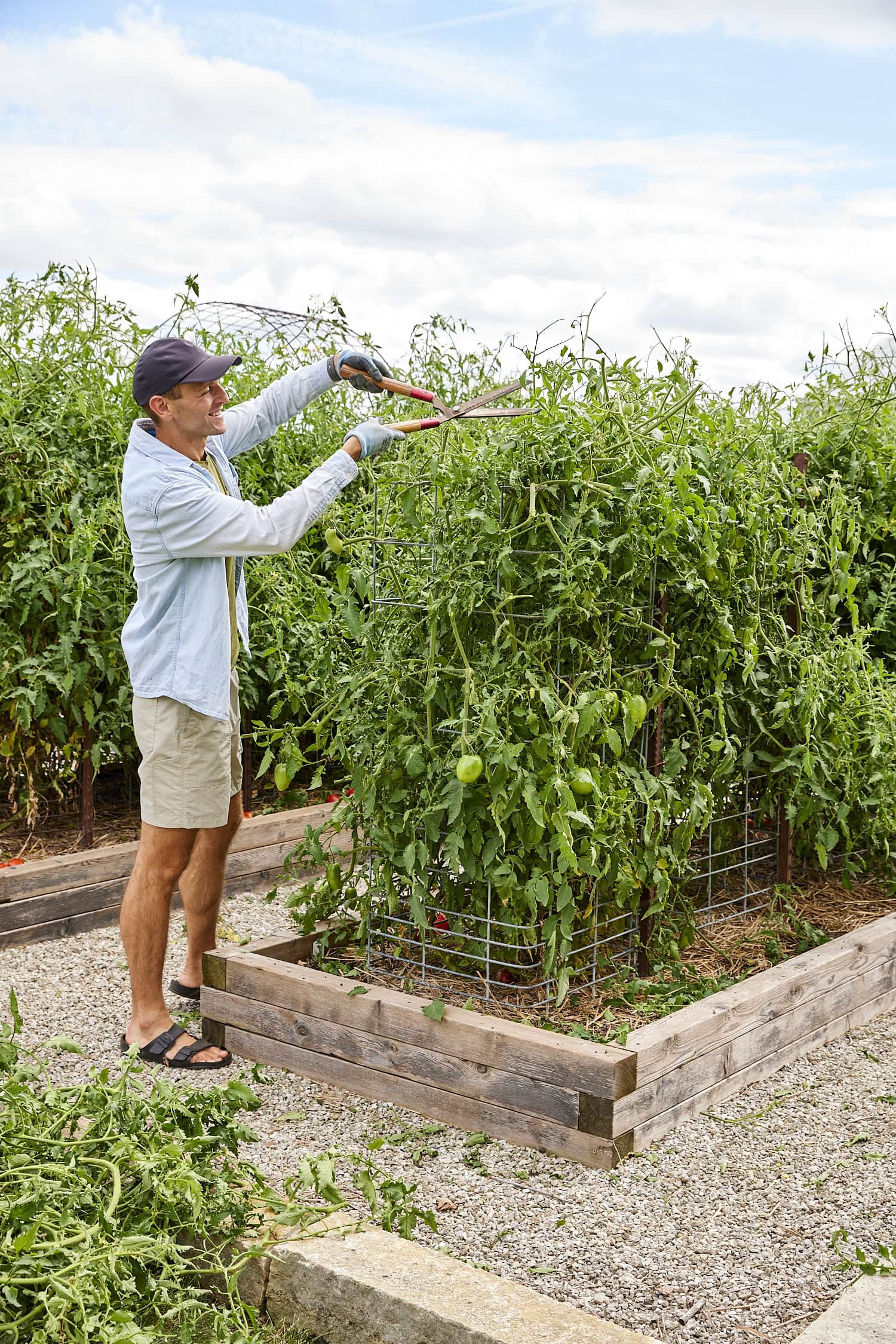
- Tomatoes will tend to take over. Prune lower leaves 1-2 feet up to help slow any disease. Remove some suckers on indeterminate tomatoes (I leave them on determinate). Remove spotted or yellow leaves quickly
- July harvests: green beans (Jade is my favorite), zucchini (harvest around 6 inches, check for squash bug eggs), cucumbers (often late July), and onions (when the tops dry and bend over, then cure and store).
August
August is all about steadiness. The garden still needs daily attention, but the kitchen starts doing some of the heavy lifting.
August checklist
- Water deeply and less frequently. Deep soaking encourages deep roots. Make sure to check the moisture a few inches down. If it’s dry, then you need to water.
- Mulch helps hold moisture and keeps soil from baking.
- Tomatoes: eat fresh, preserve sauce types when you have enough.
- Peppers: pickle, make salsa, freeze chopped portions for winter cooking.
- Cucumbers: Make sure to stay ahead of pests. Treat them early if needed.
- Beets: I like to grow multiple colors: dark red for canned pickled beets, and yellow and white for roasting.
September
September wants to be fall, but it often acts like August. The garden is still producing, just at a slightly slower pace.
September checklist
- Watch for tomato hornworms. A night-time check with a blacklight makes them easier to spot because they’re so hard to see during the daytime.
- Hard-prune tomatoes a few weeks before frost risk. Cut back the top third to push energy into ripening existing fruit.
- Plant fall greens early in the month: radishes, lettuce, spinach, and arugula. But make sure to keep their moisture consistent. Small seedlings dry out fast in warm September weather.
- Harvest winter squash and pumpkins as the color fully develops and stems harden.
- Plant garlic (my favorite fall ritual): Choose the best bulbs, break into cloves. Plant 4-6 inches apart, about 6 inches deep. Later in the fall, cover with shredded leaves for protection.
October
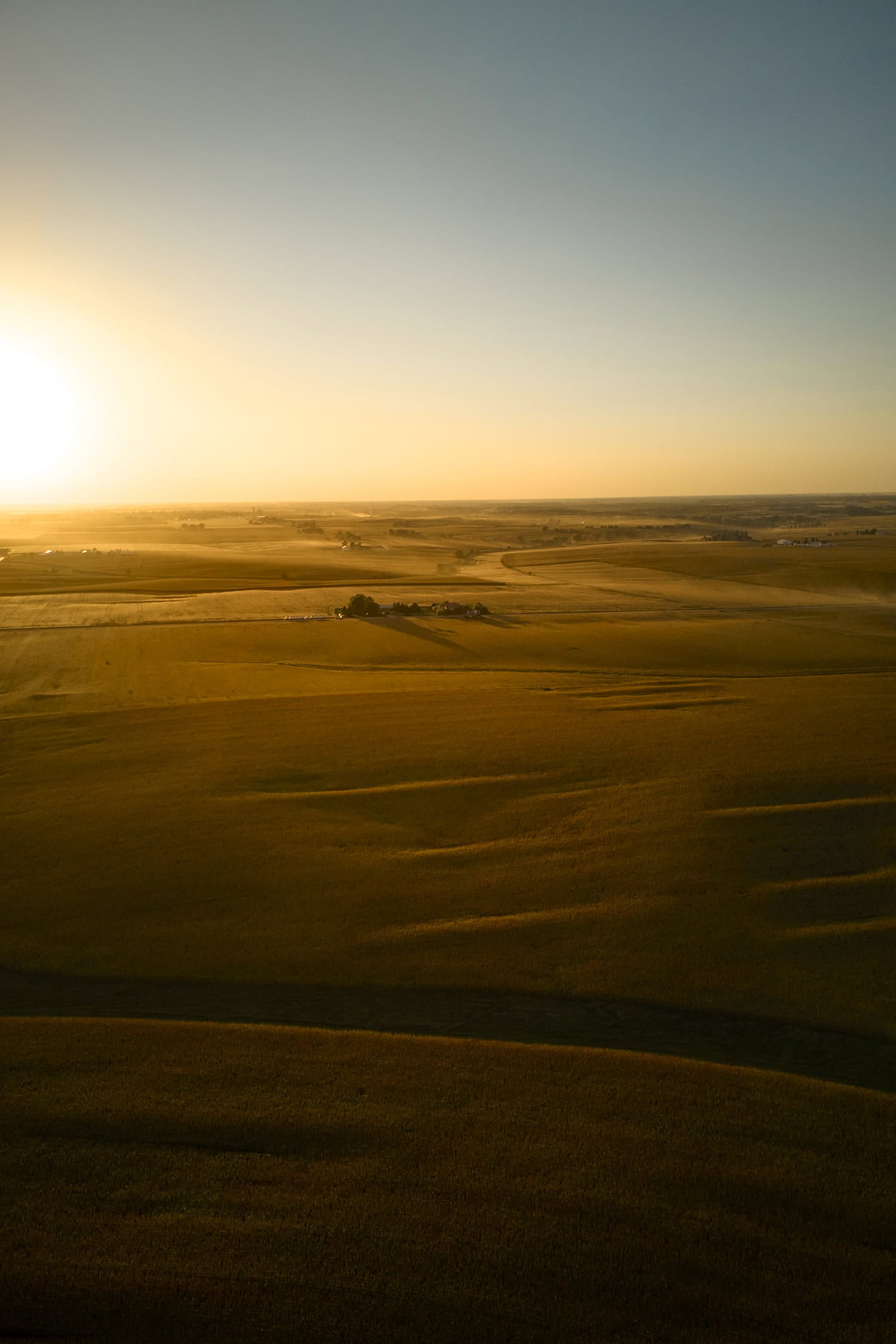
October is the shift, as the garden starts moving from producing to resting.
October checklist
- Expect the first frost sometime mid- to late-month, but know that it can happen any time. Make sure to harvest tender greens before frost. Kale keeps going, which is the great thing about planting it.
- Sweet potatoes: After the first hard frost damages vines, cut vines and dig promptly. Cure indoors for about 2 weeks, then store out of sunlight.
- Winter squash: Harvest before a hard freeze if possible. Cure for about 2 weeks in a cool, dry area to toughen skins and condense the sugars for storage.
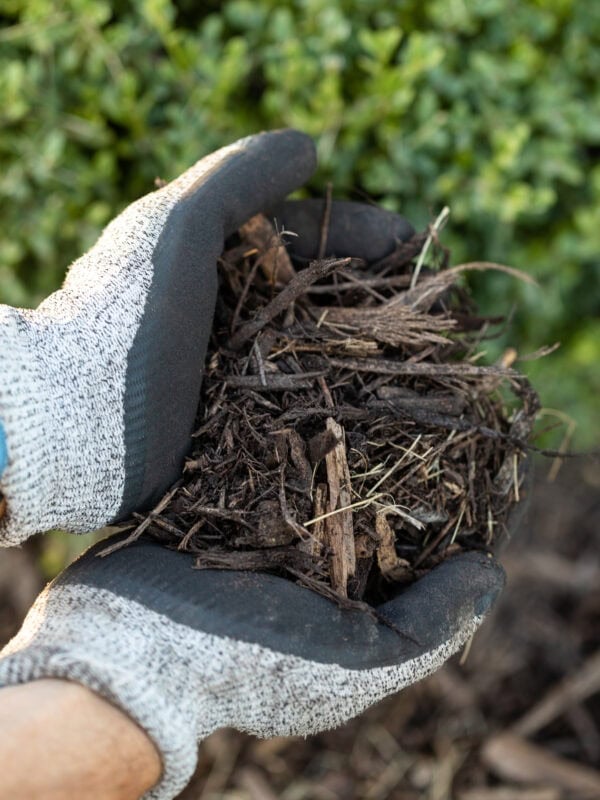
- Clean up beds: Pull annuals, especially tomatoes, if there is disease present. Leave asparagus and rhubarb. Cover beds with about 2 inches of mulched leaves for winter protection
November
November is all about winding down and experimenting. Some years, the season extension attempts work. Some years, they flop. It’s all about learning when it comes to the garden.
November checklist
- Try a late spinach crop, then mulch heavily with straw for winter harvesting during warm stretches.
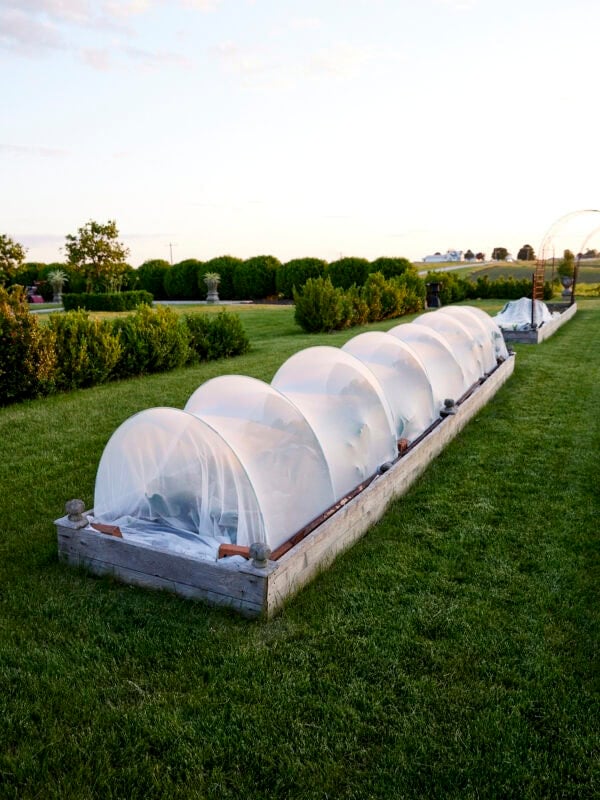
- Use plastic row covers and leave them in place through hard freezes and light snow.
- Plant small rows of greens under cover when the weather cooperates.
- Leave carrots and beets in the ground and mulch them to harvest as needed.
December
December is quiet. If I’m out near the garden, it’s usually headed to the compost pile or walking with Kip.
December checklist
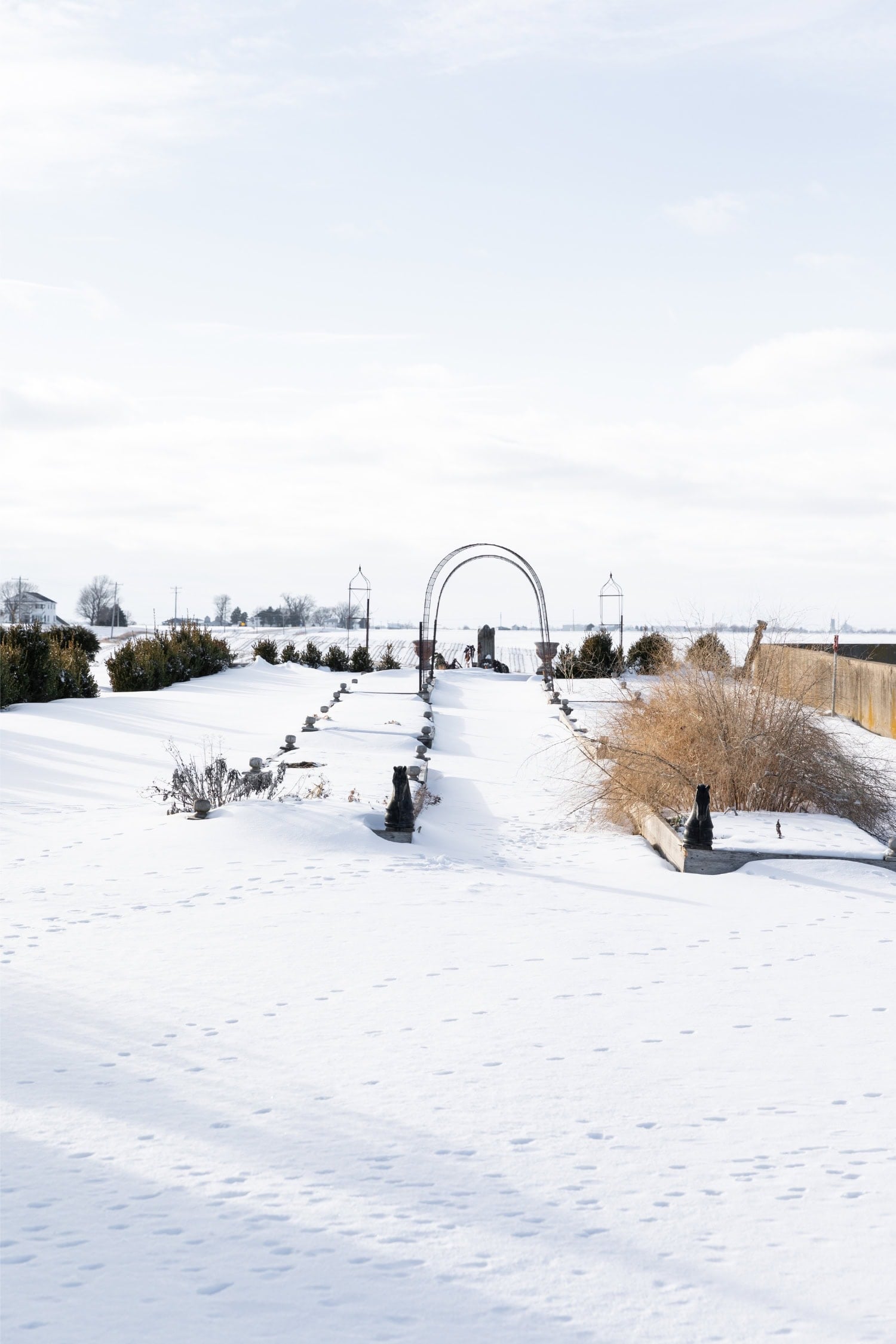
- Hope for snow. It insulates perennials, protects roots, and adds slow moisture as it melts.
- Finish your garden journal. Make sure to record all of these things: seed-starting dates, varieties that performed best, planting dates, weather notes, pest issues, and harvest timing. The point is not perfection. It’s having a record, so you don’t have to guess next spring.
Frequently Asked Questions
No. USDA zones describe winter cold based on the average annual extreme minimum winter temperature (10°F zones, 5°F half-zones).
Use NOAA NCEI climate normals and related freeze/frost tools. Make sure to check out my guide all about the difference between hardiness zones and frost dates, and how to find your last frost date.
I recommend starting tomatoes indoors about 6 weeks before planting outside.
Transplant after the danger of frost has passed and the soil has warmed.
Transplant peppers outdoors after nighttime low temperatures are above 50°F.
Plant cloves in the fall, which usually means October to early November. You can also do it about 1-2 weeks after the first killing frost.