

This post may contain affiliate links. If you make a purchase through links on our site, we may earn a commission. Please read our disclosure policy.
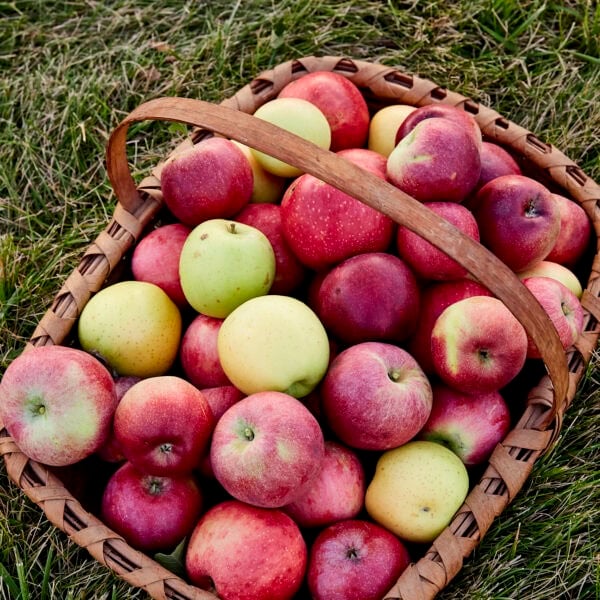
This guide breaks down the best apples for baking and cooking, plus which varieties shine in pie, crisp, applesauce, savory dishes, and cider.

Apples Are Not One Size Fits All
Walk into the produce section, and it feels simple: grab a bag of apples and call it good. Then you bake a pie, and the filling turns watery. Or your crisp turns into applesauce. Or your sliced apples brown before you sit down.
Here’s the secret: choosing apples is mostly about texture and balance. Once you know what you want your apples to do, picking the right variety gets easy.
Here’s my advice for each type of baking or cooking to help you get the best results.
Quick Guide
Apple Picker Chart
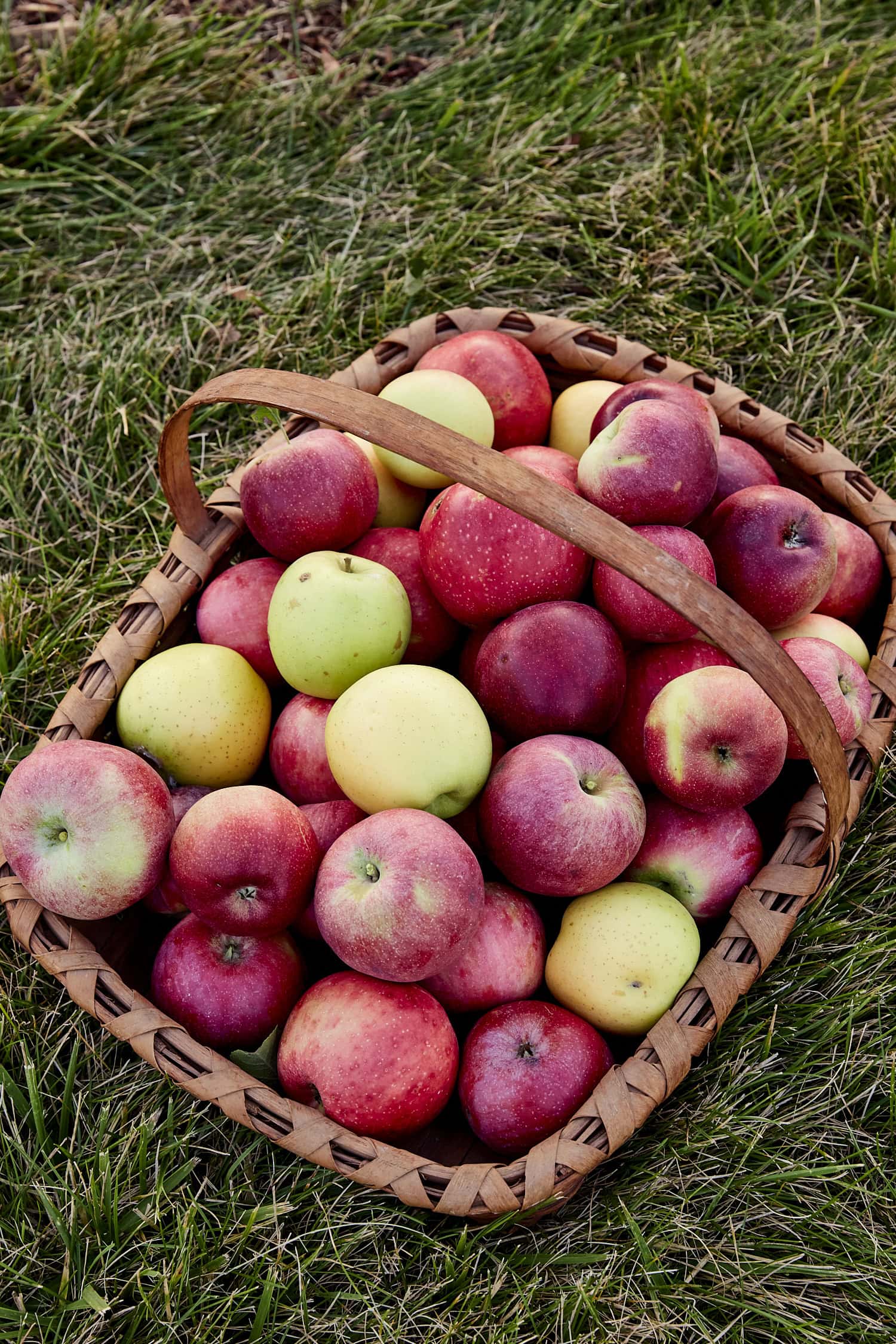
Use this as your guide to pick the correct bag of apples:
| If you’re making… | Best apples to use | Why they work |
|---|---|---|
| Apple pie | Granny Smith, Honeycrisp, Braeburn, Pink Lady, Jonagold | Firm texture, good flavor, holds shape |
| Apple crisp or cobbler | Honeycrisp, Granny Smith, Pink Lady, Braeburn | Tender but still sliceable |
| Baked apples | Honeycrisp, Braeburn, Jonagold, Pink Lady | Softens without collapsing |
| Applesauce | McIntosh, Golden Delicious, Gala (in a blend) | Breaks down quickly and smoothly |
| Apple butter | McIntosh and Golden Delicious | Cooks down rich and silky |
| Salads | Honeycrisp, Fuji, Pink Lady, Jazz, Envy, Cosmic Crisp | Crisp bite, great fresh flavor |
| Savory cooking | Granny Smith, Braeburn, Jonagold, Honeycrisp | Flavor stands up to herbs and meat |
| Fresh cider | Mix sweet and tart apples (see blends below) | Balanced sweetness and brightness |
What Makes One Apple Better Than Another
Most “best apple” decisions come down to 4 traits:
- Firmness – Will it hold its shape, or melt down into sauce?
- Sweetness vs tartness – Tart apples keep desserts from tasting flat. Sweet apples caramelize beautifully.
- Juiciness – Juicy apples can be amazing, but they can also make pie fillings watery without enough thickener.
- Browning speed – Some apples brown faster after slicing, which matters for salads and snack boards.
A general rule of thumb – For pies and crisps, use firm apples and mix varieties for better flavor.
Crisp vs Soft Apples
Crisp, firm apples (hold their shape) – These are your go-to apples for slices and chunks that stay distinct after baking.
- Great for – pie, crisp, galette, baked apples, roasting with pork or chicken
- Common examples – Honeycrisp, Granny Smith, Pink Lady, Braeburn, Fuji, Cosmic Crisp, Jazz
- Drawback – Many crisp apples are firm and will take longer to become tender when cooking or baking.
Softer apples (break down quickly) – These apples cook down fast and turn silky.
- Great for – applesauce, apple butter, cooked apple toppings
- Common examples – McIntosh, Golden Delicious, Gala (often best in blends)
- Drawback – In pies and crisps, they can turn mushy if used alone.
Grocery Store Apple Guide (Benefits & Drawbacks)
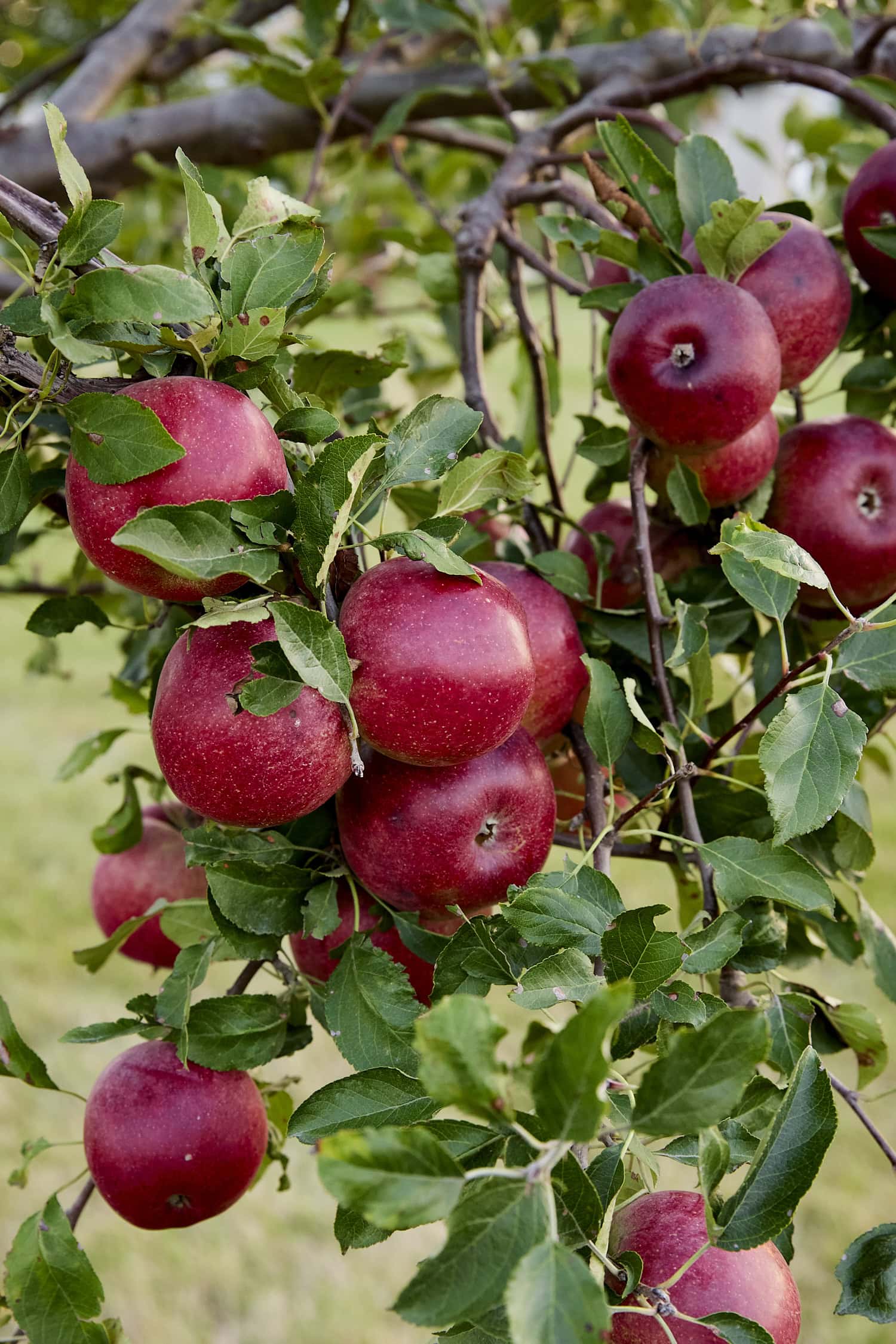
Popular types of apples, how they’re best used, plus their benefits and drawbacks:
| Type of apple | Details |
|---|---|
| Granny Smith | Best for – Pies, crisps, and savory dishes Benefits – Very tart and reliably firm. Adds structure and balance to sweet desserts. Drawbacks – On its own, it can taste sharp. Pair it with a sweeter apple for a more rounded flavor. |
| Honeycrisp | Best for – Crisps, pie blends, salads, and snacking Benefits – Big crunch and bold fresh flavor. Holds up well in the oven. Drawbacks – Very juicy, so pie fillings often need a little extra thickener. |
| Gala | Best for – Snacking, salads, cakes, muffins, and sauce blends Benefits – Sweet, mild, and widely available. Great “everyday apple.” Drawbacks – Can soften faster in the oven than the best pie apples. Use it in a blend if you want defined slices |
| Fuji | Best for – Snacking, salads, and baking in a blend Benefits – Sweet, crisp, and sturdy. Great fresh texture. Drawbacks – Can be a little mild once baked. Pair with a more tart apple for more “apple pop.” |
| Golden Delicious | Best for – Cakes, muffins, pie blends, and applesauce blends Benefits – Classic baked-apple flavor and gentle sweetness. Plays well with warm spices. Drawbacks – Not always firm enough for clean slices in pie unless paired with a sturdier apple. |
| Pink Lady (Cripps Pink) | Best for – Pies, crisps, galettes, and salads Benefits – Bright sweet-tart flavor, firm texture, and a nice crisp bite. Drawbacks – Can read slightly tart if you prefer very sweet desserts. |
| Braeburn | Best for – Pies, crisps, and baked apples Benefits – Firm, aromatic, and spice-friendly. Bakes beautifully. Drawbacks – Availability can be inconsistent, depending on the store. |
| Jonagold | Best for – Pies, crisps, cakes, and chunky applesauce Benefits – Sweet-tart flavor with a fragrant, classic “orchard apple” vibe. Tender but not instantly mushy. Drawbacks – Can soften faster than the firmest varieties, so it’s excellent in blends. |
| McIntosh | Best for – Applesauce, apple butter, and cooked apple topping Benefits – Breaks down quickly into a smooth, creamy texture with very little effort. Drawbacks – Not a great solo pie apple because it softens fast. |
| Red Delicious | Best for – Snacking if very fresh Benefits – Easy to find and often inexpensive. Drawbacks – Can lean towards mealy and mild, especially when older. Rarely the best choice for baking. |
| Cosmic Crisp | Best for – Snacking, salads, and baking in a blend. Benefits – Very crisp, juicy, and sturdy. Great all-around modern grocery option. Drawbacks – Can be extra juicy, so treat it like Honeycrisp in pie fillings. |
| Jazz | Best for – Salads, snacking, and baking in a blend Benefits – Crunchy with a bright, sweet-tart flavor. Drawbacks – Not always stocked everywhere year-round. |
| Envy | Best for – Snacking, salads, and cheese boards Benefits – Sweet, crisp, and often slow to brown after slicing. Drawbacks – Usually pricier, and the flavor can be more “sweet” than “baked apple” in desserts. |
Some Heirloom Favorites
These often show up at orchards and specialty grocery stores, especially in the fall:
| Type of apple | Details |
|---|---|
| Jonathan | Best for – Pies, crisps, and baking in general Benefits – Sweet-tart flavor that tastes like classic apple desserts. Great aroma. Drawbacks – Can be seasonal and sometimes smaller in size. |
| Cortland | Best for – Salads, snack trays, and pie blends Benefits – Crisp, bright flavor. Often a solid choice for slicing. Drawbacks – Can soften faster than the firmest pie apples, so pair it with a sturdy variety for baking. |
| Haralson | Best for – Pies, baking blends, and savory dishes Benefits – Very firm and very tart. Holds shape beautifully and brings bold flavor. Drawbacks – Too tart for some on its own. Blend with sweeter apples. |
| Wealthy | Best for – Sauces and baking blends Benefits – Old-fashioned flavor that tastes like fall. Drawbacks – Texture can lean softer, so it’s better blended for pies. |
Apples For Fresh Cider
Cider uses the same apples but aims for a slightly different balance. There are 3 things that shape cider flavor:
- Sugar – sweetness and fermentation potential
- Acid – brightness and “zip”
- Tannin – structure, depth, and a gentle drying finish (more important for hard cider)
Most grocery store apples bring sugar and acid. Traditional cider apples are prized for their tannin and complexity. But you can still make delicious cider with grocery store apples, using this simple blend:
- 2 parts sweet – Fuji, Gala, Honeycrisp, Golden Delicious
- 1 part tart – Granny Smith, Jonathan, Haralson
If you want it a bit brighter, add more tart apples. For a bit sweeter cider, add more Golden Delicious or Gala.
Shopping & Storage Tips
- Buy firm apples – Soft spots usually mean bruising and faster breakdown in baking.
- Refrigerate for longer storage – Apples last longer and stay crisper when chilled.
- Keep them contained – Apples give off a natural ripening gas that can speed up ripening in nearby produce.
- Wash right before using – This helps keep apples fresher during storage.
Frequently Asked Questions
Firm varieties like Granny Smith, Honeycrisp, Braeburn, Pink Lady, and Cosmic Crisp tend to hold their shape best.
A blend. Start with Granny Smith + Honeycrisp or Granny Smith + Golden Delicious, then adjust based on how sweet or tart you like it.
McIntosh is the classic “breaks down fast” apple. Golden Delicious is a great partner for sweetness and smooth texture.
Yes, especially in cakes and muffins. For pie or crisp, they usually perform best when paired with a tarter, firmer apple.
For fresh cider, a mixture is best; use mostly sweet apples with some tart apples for balance.
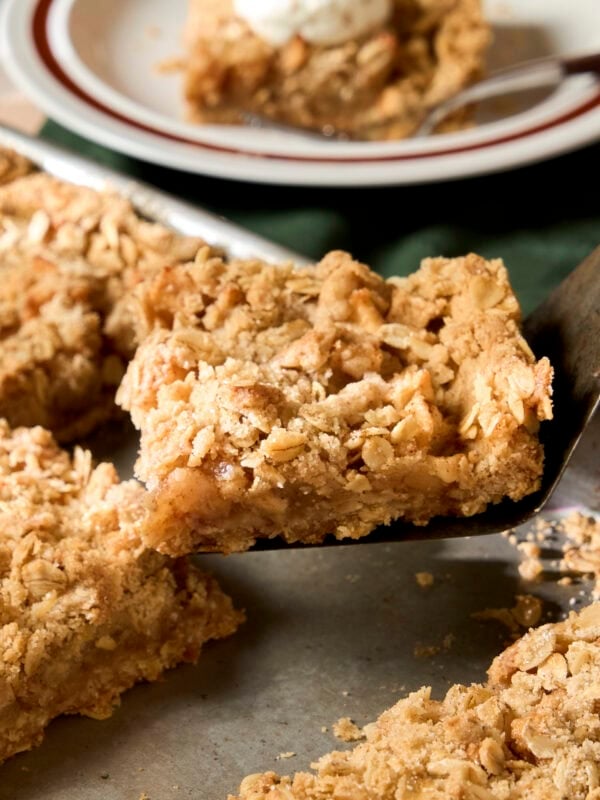
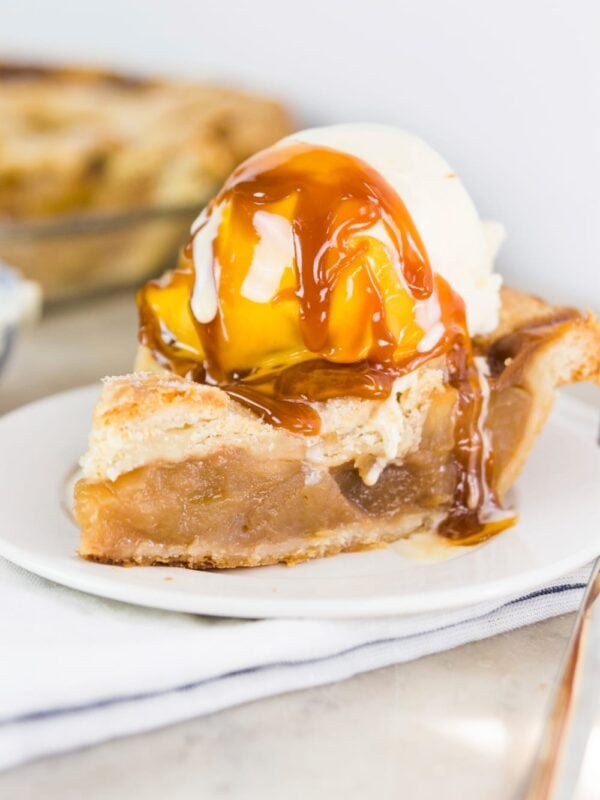
Pies & Bars

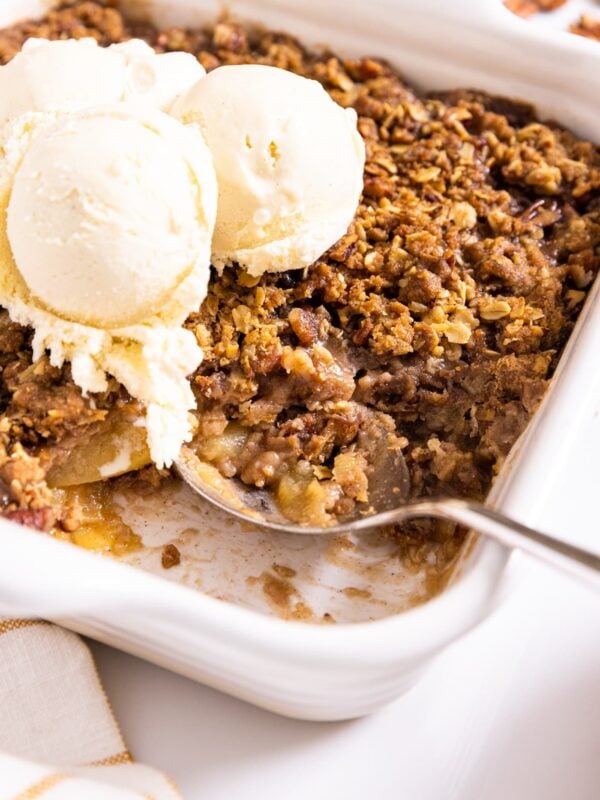
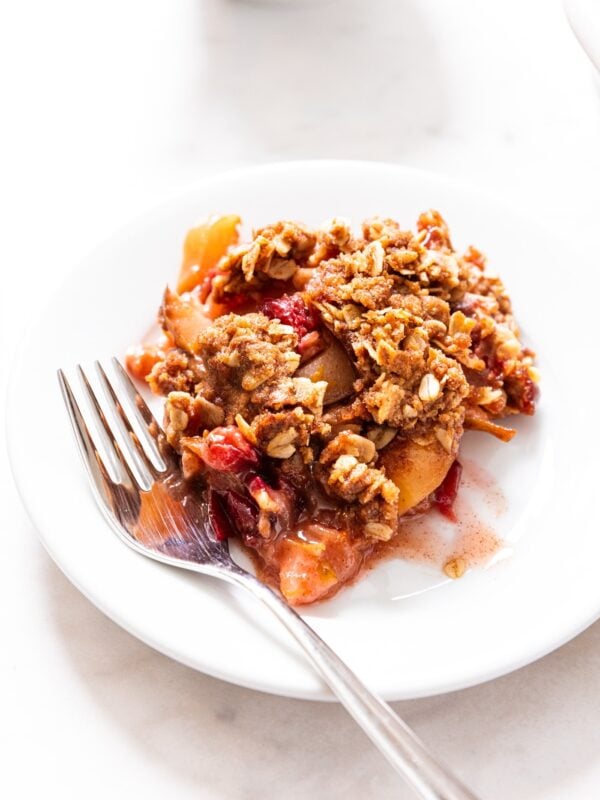
Crisps & Desserts
Christmas
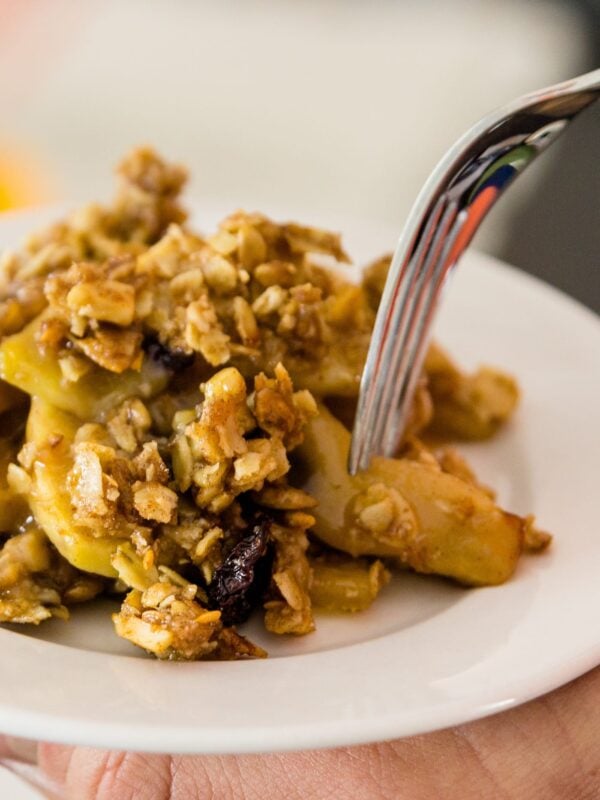
Apple, Pear & Cranberry Crisp
A seasonal crisp recipe that’s perfect for the holiday season.
Cake
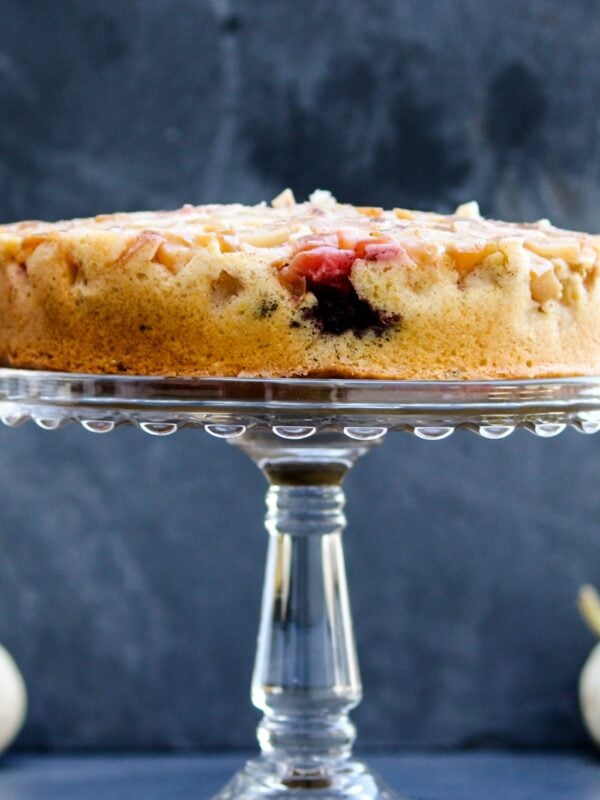
Harvest Apple Cake
When it’s fall, it means apples are in season. This inverted harvest apple cake combines perfect autumnal flavors with the last bits of summer in the form of blackberries!
Preserved Apples
Preserving
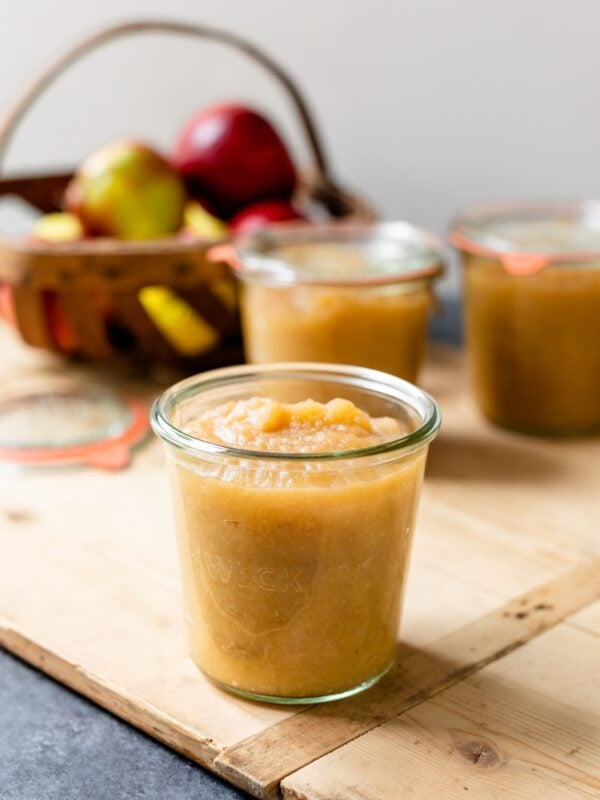
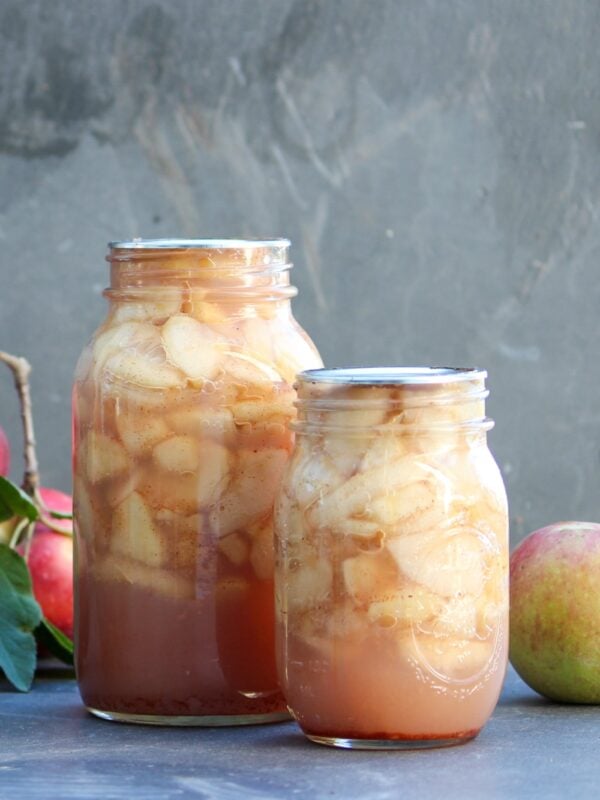
Canned Apples
Great as a topping or as part of a dessert, this recipe is perfect for preserving.
Dips & Spreads
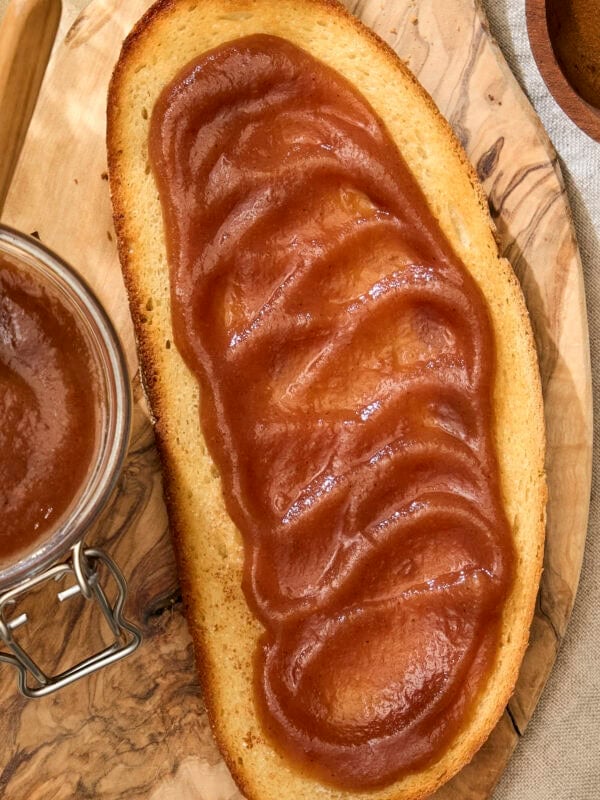
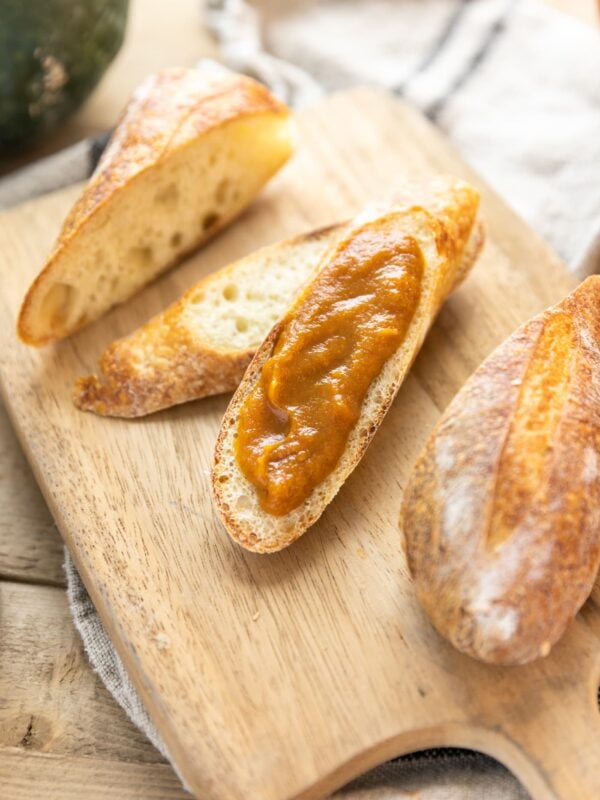
Slow Cooker Pumpkin Apple Butter
Everything goes into the slow cooker and hours later, it’s a sweet spread for fall.
Savory Cooking
Dinner
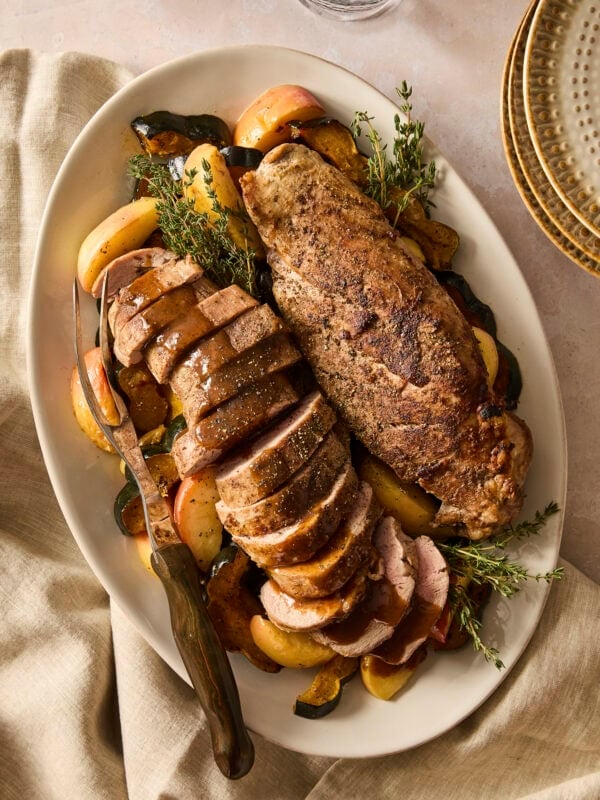
Pork Tenderloin with Apples and Squash
A hearty fall meal made with the best flavors of the season.
Weeknight Meal
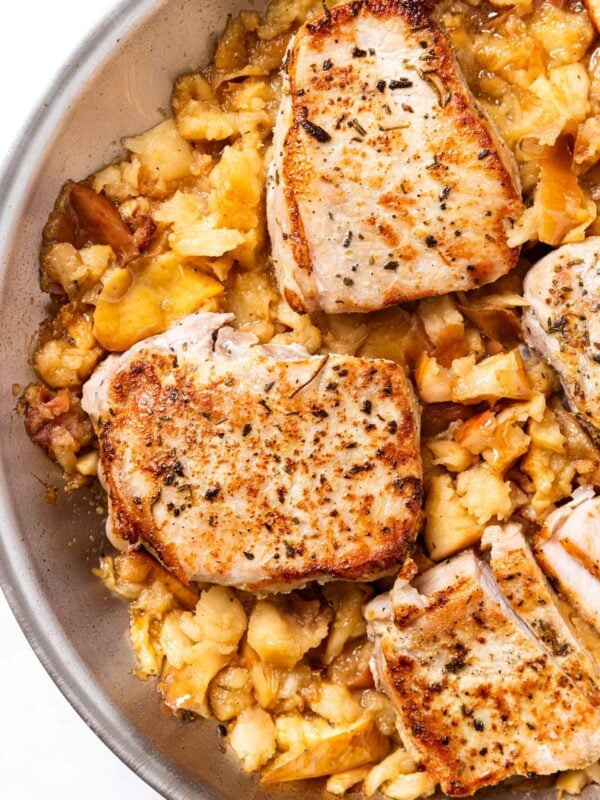
Pork Chops with Quick Applesauce
One-skillet pork chops with spiced applesauce for a fall dinner.
Side Dishes
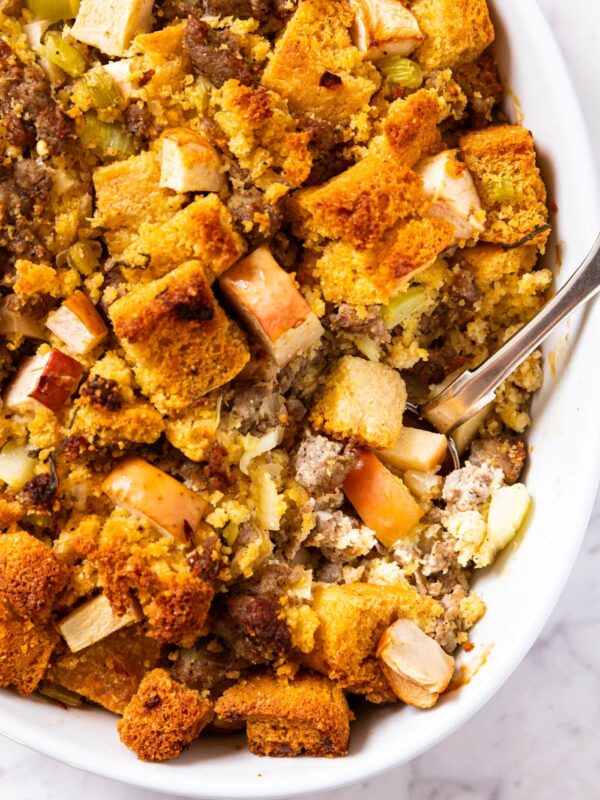
Apple & Sausage Cornbread Stuffing
The perfect alternative to the traditional Thanksgiving stuffing.