

This post may contain affiliate links. If you make a purchase through links on our site, we may earn a commission. Please read our disclosure policy.

This April feels like spring and summer conversed, and decided to split the month back and forth between the two. We had days of 80°F and higher and chilly days of 40°F or below. Thankfully, we’ve had a good amount of rain throughout each temperature change. In fact, we’ve had enough rain that I’m officially starting the new growing season out of the drought, which has been lingering in my area of Iowa for the past few years. I relish every minute of rain and can see the garden exhaling a sigh of relief with all of its fresh, vibrant growth.
Last year, the second floor of my house was in the midst of a remodel that was taking longer than I had hoped. That, coupled with another big project requiring a lot of time and energy (you’ll find out soon about this one), made me constantly feel like I needed to reserve the garden work for my spare time. This year feels like redemption. I’ve been working outside earlier than in past years and have been getting a lot accomplished. Soon, some fun planting projects will begin, and I feel like I’m getting a dose of much-needed therapy in the soil.
This newsletter is the beginning of a new idea. I’ve started doing weekly Question and Answer times on my social media Stories (each Friday!), and I get so many excellent questions. So, I decided that some of these questions and their corresponding answers would be great content for this newsletter. You’ll find six questions and my responses below! You very well may see your question and name below.
I’m so glad to have a green yard to stare at while I write this, and I hope each of you has a good view and a cup of something tasty so we can catch up!
Let’s talk about the garden.
The cole crops (lettuce, radish, spinach, and arugula) are all growing well, with some already ready to harvest. In a few weeks, I’ll plant the summer crops and all the containers with agave, succulents, and annuals around the farms.
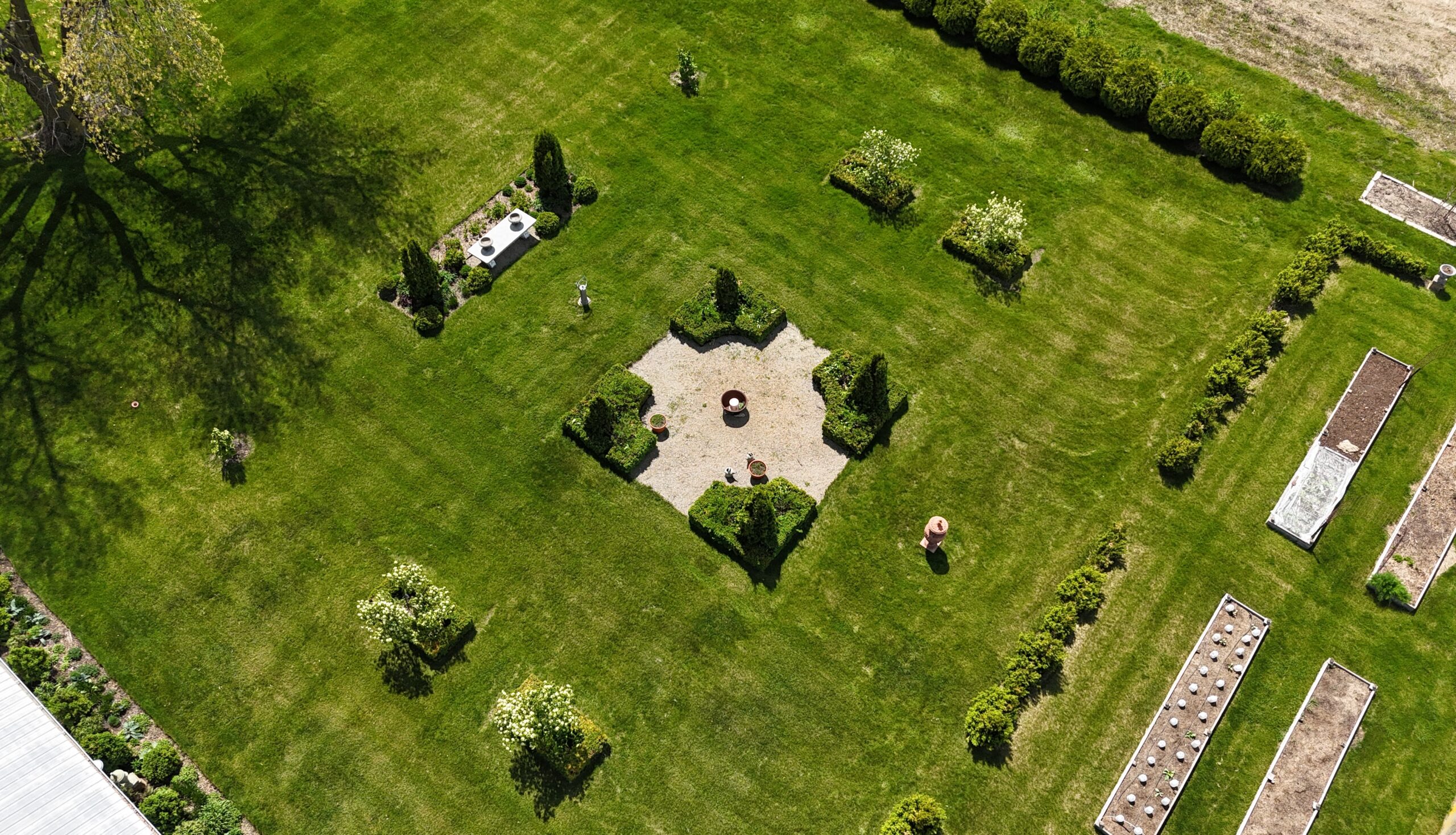
Q: What is the best fertilizer for boxwoods? – Carrie
A: This is a great question, as we all want our boxwood to be healthy and thriving. Every spring, I use Espoma’s Plant-tone around the shrubs. Unlike most evergreens, they do not need acidic fertilizer; instead, they prefer a neutral one. I also like to water them with Fish Emulsion a few times during the growing season.
Q: Do I need to prune my hydrangeas? – Rabecca
A: Hydrangeas are always a big topic in question; there are many varieties, and they can be confusing. Most hydrangeas will benefit from some pruning while they are becoming established. Pruning corrects the shape, can control growth, and provides more blooms, depending on the variety.
First, knowing what type you have will make a difference in how and when to prune:
- Paniculata hydrangea grow on old and new wood and are pruned in late winter/early spring when the green buds begin to grow.
- Arborescens hydrangea will bloom on new wood and should be pruned in late winter/early spring to about one foot.
- Macrophylla hydrangea blooms on old wood and must be carefully pruned in the fall after blooming. This variety should be pruned with a heading cut above a fat bud.
Q: How many times do you give a plant a try in your flower garden and then give up because it won’t grow? – Denette
A: This is an interesting question, but I like it. The answer depends on the plant, but I would like to think more deeply about this. If the plant is zoned for your garden and is hardy, I would ask myself what could be going wrong with the following questions:
- Is the soil not healthy?
- Does it drain well?
- Does the area have issues growing other plants and flowers?
If so, I would have the soil tested and amend it based on the results. Also, sometimes our yards become a microclimate. Even if a plant should work, the conditions could be harsher than expected. I live in zone 5B, but it’s a rural open area, and my winters can sometimes kill plants that should work when simply going by the tag.
Let’s talk about food.
I received so many questions about food, but I thought that these three were excellent ones to answer.
Q: What’s for dinner tonight? – Katie
A: I love this question because we all ask it daily. I default to what I have on hand and what’s coming inside from the garden. Currently, that’s asparagus. So much asparagus! I love it and have been swapping asparagus for the broccoli in my chicken, broccoli, and rice casserole (which was a massive hit with you all!).
Q: What is your favorite summertime salad recipe? – Sue Ellen
A: This month’s weather had me ready for both spring and summer flavors! My Cobb salad with creamy herb dressing on the website is a favorite for spring, but it will work very well during the summer. Again, if you have asparagus, substitute it for the green beans. This salad is bright, fresh, and hearty. If you want something a bit more summertime-ready, try my chicken fajita salad, just in time for Cinco de Mayo!
Q: I can’t master freezer jam. Can you please make a how-to video? – Helen
A: For those that don’t know, freezer jam is made with fresh berries and never cooked. The raw fruit is thought to retain a fresher flavor, and since it isn’t cooked, it needs to be stored in the freezer for long-term use. Freezer jam also has a high ratio of sugar to balance the fact that it isn’t cooked.
Here’s my take. I would make a traditional strawberry jam, like my strawberry butter or French-style jam, rather than freezer jam. Both of these can be frozen instead of sealed through canning. I also have a low-sugar cooked freezer jam with chia seeds on my website that you could try. I find most recipes for “freezer jam” have too much sugar. This may be a recipe that I spend some time working through, so it’s just right.
Let’s talk about Kip.

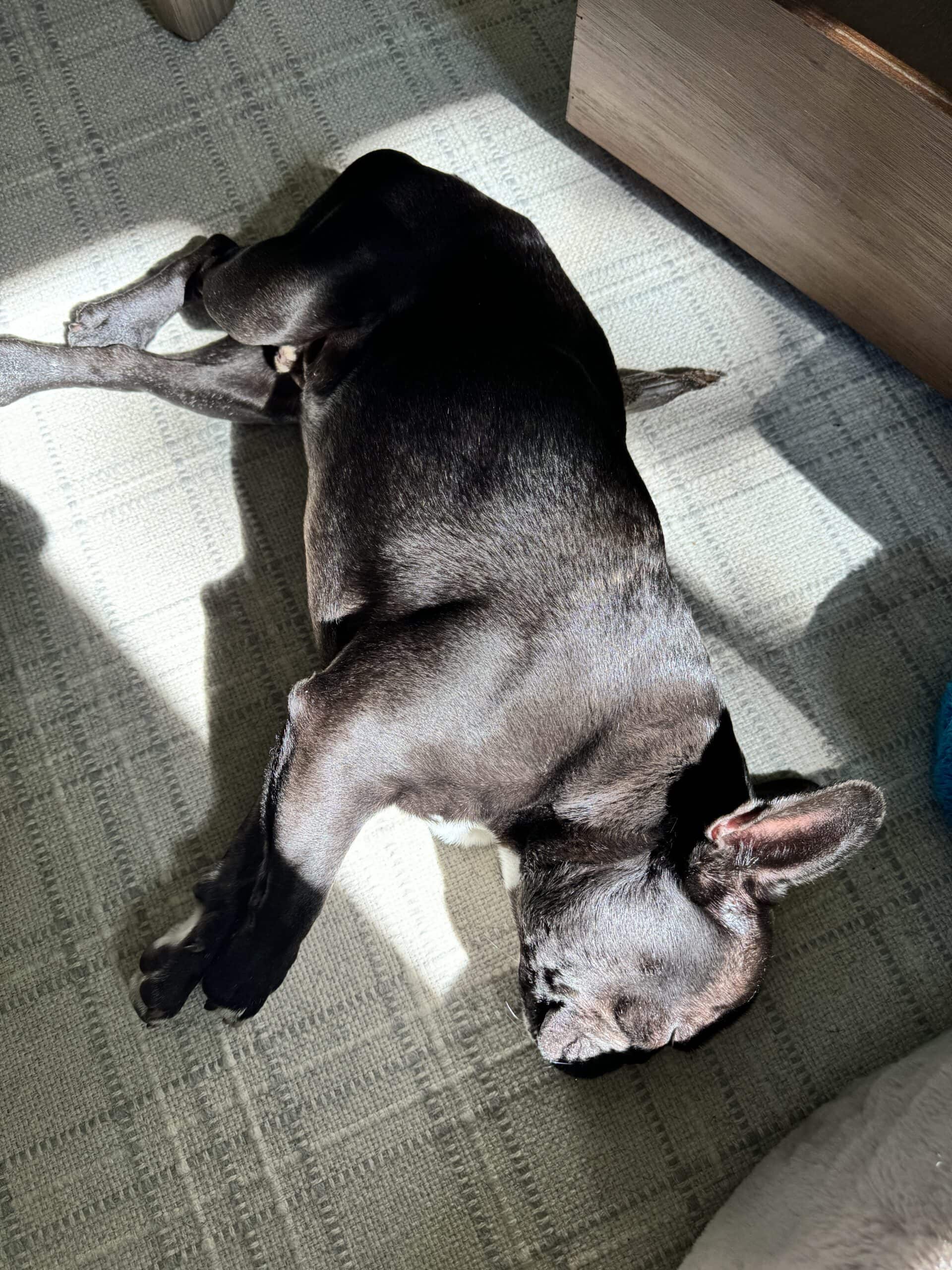
I’m happy to report that Kip is the same ‘ol, which makes me extremely happy. For those who are new, welcome to Kip’s story! He is my 5 1/2-year-old Frenchie, who was paralyzed in 2021 with a rare auto-immune disease and is now walking, happy, and healthy. A few hiccups in the last few years have scared me, especially in the last ten months (a serious bout with IBD and pancreatitis), but I’m so lucky he is so good.
There isn’t a day that goes by without me saying, “Kip, what would I do without you?” while I’m smothering him with kisses. He loves the spring weather and going outside to “help” me in the garden, which means bringing the frisbee to me. He can never get enough frisbee time… or lounging in the sun time…
Until next month’s newsletter, I hope you stay healthy and safe. The months seem to fly by, especially these spring and summer ones. Take care and talk to you soon!

Previous Monthly Newsletters to Read
- The March 2024 Guide
- The February 2024 Guide
- The January 2024 Guide
- The April 2023 Guide – see the same month as last year!
- The April 2025 Guide – see the same month next year!
Make sure to sign up for my newsletter!
If you enjoyed this newsletter and want a way to support me, you can send me a tip here! And thank you to everyone who tipped last month!