

This post may contain affiliate links. If you make a purchase through links on our site, we may earn a commission. Please read our disclosure policy.
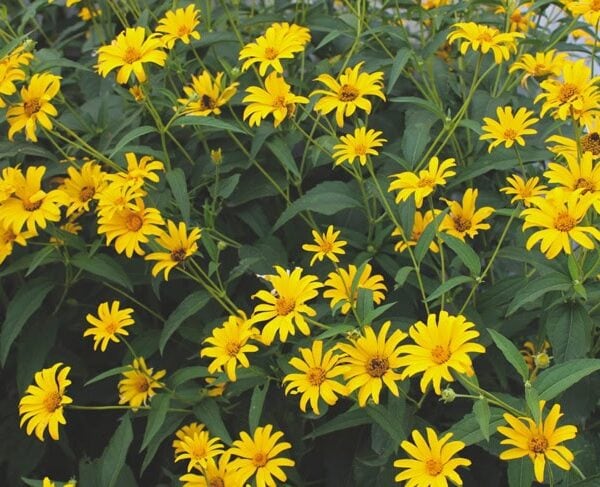
There is something special about daisies; for some reason, they are just “happy” flowers. Normal and easy to find, they are always fun and add a little bit of whimsy to your garden. Many daisies are easy to grow, but care depends on the type. And they can not only adorn your landscape but can also be easily cut for indoor arrangements.
What is a daisy? A daisy is a flower in the aster family with a composite flower head made up of petal-like ray flowers surrounding a center of tiny disk flowers. The name can refer to several different plants, from Shasta and Oxeye to English daisies. Some daisy-like flowers in the Asteraceae family are also commonly called daisies, even though they belong to different genera.

Popular Types of Daisy Flowers
Not all daisies are the same! The term “daisy” covers a wide range of flowers, many of which belong to the large aster family. Some are tall and bold, while others are low and dainty, but all share that same cheerful look.
Here are a few of the most popular varieties to know:
Shasta Daisy – Shasta daisies are what most people picture when they hear the term “daisy.” They have big white petals, yellow centers, and strong stems that are perfect for cutting. These perennials bloom in early to mid-summer and often rebloom with regular deadheading. They’re reliable, classic, and one of the easiest to grow.
- Hardy in Zones 4-9
- Grows 2-3 feet tall
- Full sun, well-drained soil
- Great in borders and flowerbeds
Oxeye Daisy – These are the wild, meadow-style cousins of the Shasta. Slightly smaller and more delicate, oxeye daisies are often seen growing in fields and along roadsides. They’re incredibly tough and can handle dry, lean soils.
Be warned: Most state extension offices label Oxeye as an invasive plant or weed, and do not recommend planting it.
Gerbera Daisy – If you’ve ever bought a bright, bold daisy from a florist, chances are it was a Gerbera. These are the showy types with big blooms in bright shades of yellow, red, orange, and pink. Unlike Shastas or oxeyes, Gerberas can be grown as an annual in a colder climate or planted in pots and taken indoors over the winter.
- Tender perennial in Zones 8-11
- Grows 10-18 inches tall
- Full sun to light shade
- Best in containers or garden beds with excellent drainage
Gerberas are a favorite to plant in pots that sit on a front porch (with some hours of full sun). They bring so much color and last all season long with regular feeding.
English Daisy – This low-growing variety is often found in early spring. They have smaller flowers, sometimes with a puffball look, and come in shades of red, pink, and white. English daisies love cool weather and are often treated as biennials or cool-season annuals in warmer zones. These are not native to North America; check with local extension offices for planting guidelines.
- Hardy in Zones 4-8
- Grows 4-6 inches tall
- Cool temperatures, moist soil
- Not drought-tolerant
- Ideal for spring borders and containers
They’re a perfect companion for spring bulbs like tulips and daffodils, and they add a nostalgic charm to any planting.

North American Native Daisy-Like Flowers
When you want a flower to be as carefree as possible, looking at natives is essential. Natives and hybrids of native cultivars are adapted to the growing conditions where they naturally reside. They’re often drought-tolerant, have symbiotic relationships with insects and birds, and are more naturally controlled without taking over.
Here are a few North American natives:
- Black-eyed Susan – Native to much of the United States, including prairies east of the Rockies
- Purple coneflower – Native to central and southeastern areas in the United States
- Western daisy – A group of North American native daisies found in parts of the United States and Mexico
- Cutleaf daisy – Native to the central United States into Mexico
- Siskiyou daisy – Native to southwestern Oregon and northern California, a mountain daisy
- Dahlberg daisy – Native to Texas and Mexico

How to Grow Daisy Flowers
No matter which type you choose, daisies are generally straightforward to grow. A few basics will set you up for success:
Choose the right spot – Most daisies love full sun, at least six hours a day, to bloom their best. Some, like Gerberas or English daisies, can tolerate part shade, especially in hotter climates.
Prep the soil – Well-draining soil is key. Daisies don’t like to sit in soggy soil, which can lead to rot. If you have heavy clay, work in compost or sand to loosen it up. A little compost added at planting time will also help give your daisies a healthy start.
Planting – Spring or fall is the best time to plant perennial daisies. Space them according to the type. Shastas may need to be spaced 18-24 inches apart, while English daisies can be planted much closer together. Dig your hole, plant at the same depth as the nursery pot, and water well right after planting.
Seeds can be started indoors or direct-sown in spring after your frosts have ended. Some varieties need light to germinate, so read the packet instructions and don’t bury too deep.
Watering – Keep the soil evenly moist while plants get established. Once they’re growing strong, most daisies are drought-tolerant and only need water during dry spells. For container daisies, especially Gerberas, more frequent watering is needed.
Feeding – Daisies aren’t heavy feeders. During the spring, applying some compost or balanced fertilizer should be sufficient. Gerberas benefit from regular feeding to keep blooms going, especially in containers.

Daisy Flower Care & Maintenance
Keeping daisies healthy is all about a little seasonal care:
Deadheading – Removing spent blooms encourages more flowers and keeps your plant looking tidy. This is especially important for Shasta and Gerbera daisies. It’s also helpful for oxeyes if you want to control their spread.
Dividing – Every few years, divide perennial daisies to prevent overcrowding and rejuvenate growth. Spring or fall is the best time. It’s as simple as digging up the clump, cutting it into sections, and replanting.
Pests and disease – Daisies are generally tough. You might see aphids or powdery mildew from time to time, especially if plants are overcrowded or overwatered. Good spacing, airflow, and clean-up in the fall go a long way in preventing problems.
Winter care – Most perennial daisies handle winter well with a little help. After frost, cut back stems and apply a light mulch over the crown for insulation. For Gerberas in cold zones, either treat them as annuals or move containers indoors before the first frost.
Conclusion
There’s a reason daisies are garden favorites: they’re cheerful, resilient, and easy to love. Whether you’re tucking in a few Shastas for summer blooms or adding Gerberas to a sunny porch, there’s a daisy flower for just about every gardener and every space.
And once you start growing them, don’t be surprised if you find yourself adding more each season. They’re just that friendly.
More Flowers to Grow
- Knock Out rose bush
- Snowball viburnum shrub
- Ornamental allium flowers
- 3 types of peonies to grow
- Make sure to check out how to find your growing zone

Kaleb, hi I’m wanting to replant my small hydrangeas currently they are in small pots I want to replant them into the ground I was wondering if you could tell me when would be the best time to do that it is August 18th right now should I wait until fall I got bone meal to go with them thank you for your time